
Gold jewelry has long symbolized elegance, wealth, and timeless beauty. From classic yellow gold to modern white gold and romantic rose gold, gold remains one of the most desirable precious metals in the world.
Yet some wearers are surprised to discover that their gold jewelry develops a green tint — either on the metal surface or on the skin beneath it. This often leads to concern:
Is the gold fake?
Is it poor quality?
Can it be fixed?
In reality, green discoloration is usually a normal chemical reaction, not a sign of counterfeit gold. Understanding why it happens can help you prevent it and properly care for your jewelry.
Why Can Gold Jewelry Appear Green?
Before diving deeper, it’s important to clarify: pure gold itself does not turn green easily. The discoloration is typically caused by other metals mixed with gold.
There are three main reasons this phenomenon occurs.
1. Alloy Metals in Gold Jewelry
Pure gold (24K) is extremely soft and not practical for everyday jewelry. To improve durability, it is combined with other metals to create alloys such as 18K, 14K, or 10K gold.
Common alloy metals include:
- Copper
- Silver
- Nickel
- Zinc
Among these, copper is the most common contributor to green discoloration.
When copper is exposed to moisture, oxygen, and acidic substances, it can oxidize and form green compounds (such as copper salts). These compounds may appear on the jewelry surface or transfer onto the skin.
Nickel can also react with sweat and produce similar effects, especially in humid environments.
The lower the gold purity, the higher the percentage of these alloy metals — and therefore the higher the chance of discoloration.
2. Skin Chemistry and Sweat
Human skin naturally produces oils, salts, and acids. These substances interact differently with metals depending on individual body chemistry.
People who:
- Sweat heavily
- Have more acidic skin
- Live in warm climates
are more likely to notice green marks.
Additionally, personal care products such as lotions, perfumes, sunscreen, and hairspray can accelerate chemical reactions between alloy metals and the environment.
This does not mean the jewelry is defective — it reflects a chemical interaction between metal and skin.
3. Environmental Exposure
Environmental conditions also play a major role.
High humidity, air pollution, and exposure to chemicals can increase oxidation. For example:
- Chlorine in swimming pools
- Household cleaning agents
- Sulfur compounds in polluted air
Chlorine is particularly aggressive and can weaken alloy metals quickly, causing surface discoloration.
Long-term exposure to corrosive environments increases the likelihood of visible changes.
Does Gold Purity Affect the Risk of Turning Green?
Yes — purity matters significantly.
Gold purity is measured in karats (K). The higher the karat, the greater the percentage of pure gold.
- 24K → Nearly pure gold
- 18K → 75% gold
- 14K → 58.5% gold
- 10K → 41.7% gold
Because lower-karat gold contains more alloy metals, it has a greater potential for oxidation.
24K gold theoretically does not turn green due to its high purity. However, even high-purity gold may show slight changes after long exposure to harsh chemicals, though this is rare.
In general, the likelihood of green discoloration increases as purity decreases.
Do Different Gold Colors React Differently?
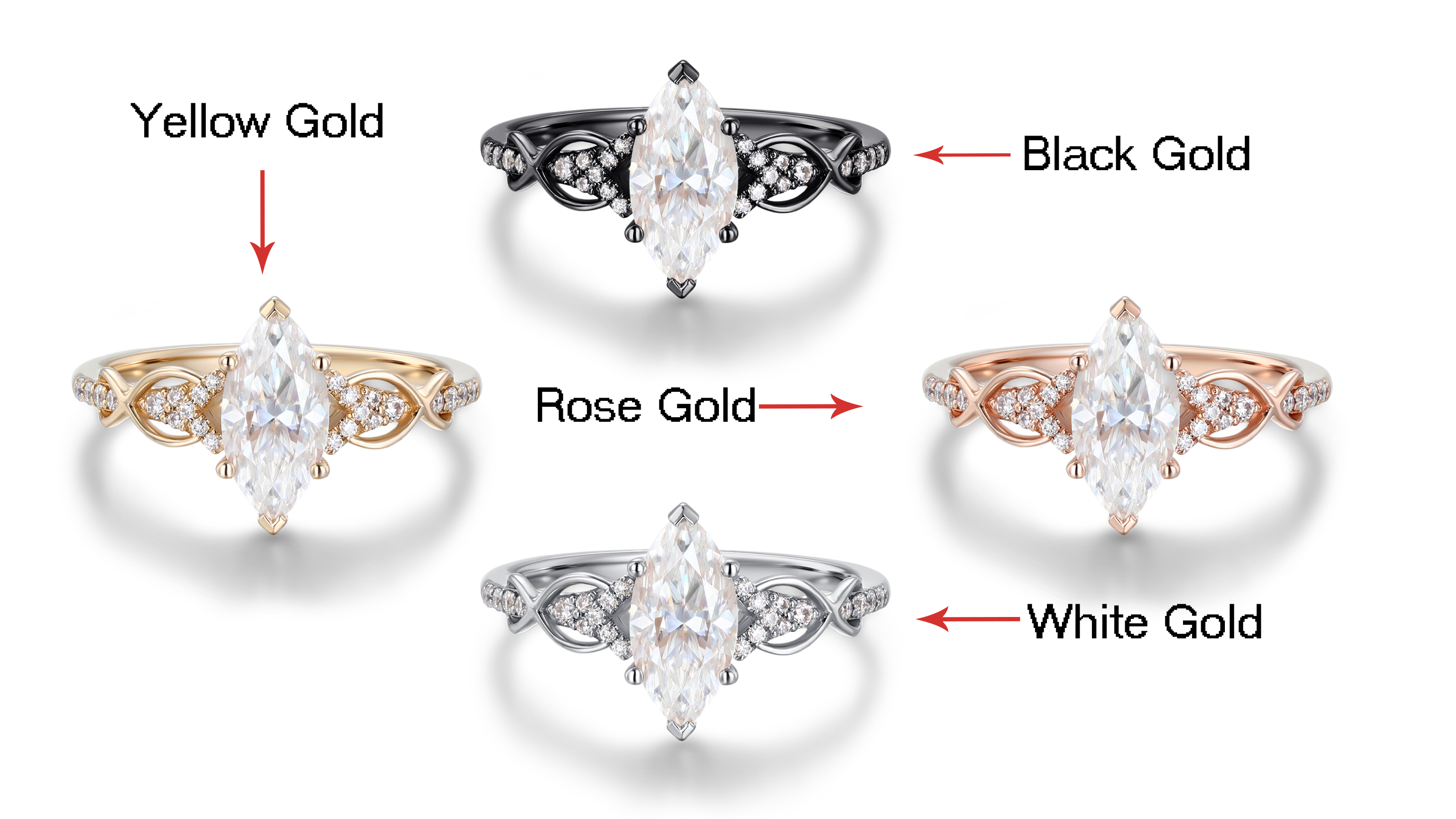
Gold jewelry comes in various colors, each created by adjusting alloy compositions.
Yellow Gold
Traditional yellow gold contains a mix of gold, copper, and silver. Under certain conditions, copper within the alloy can oxidize, leading to mild discoloration.
White Gold
White gold is typically alloyed with nickel or palladium and coated with rhodium for a bright white finish.
As long as the rhodium plating remains intact, white gold is highly resistant to discoloration. However, once the plating wears away, the exposed alloy beneath may react and show signs of oxidation.
Because white gold is lighter in color, any surface change may appear more noticeable.
Rose Gold
Rose gold contains a higher proportion of copper to achieve its pink tone. Since copper is the main metal responsible for green oxidation, rose gold is generally more prone to discoloration compared to yellow or white gold.
Black Gold
Black gold usually achieves its color through special plating or surface treatment. If the protective layer is damaged, the underlying alloy can oxidize similarly to other gold types.
Among common gold colors, rose gold has the highest likelihood of showing green discoloration, followed by yellow gold, while properly plated white and black gold are typically more resistant.
How to Remove Green Discoloration from Gold Jewelry
If your gold jewelry has developed a green tint, there are several effective cleaning methods.
1. Mild Soap and Warm Water
This is the safest first step.
- Mix mild dish soap with warm water.
- Soak the jewelry for several minutes.
- Gently scrub with a soft toothbrush.
- Rinse thoroughly and dry with a lint-free cloth.
This method removes surface buildup and light oxidation.
2. Baking Soda Treatment
For stronger discoloration:
- Mix baking soda with a small amount of water to form a paste.
- Apply gently using a soft cloth.
- Rub in small circular motions.
- Rinse and dry thoroughly.
Baking soda’s mild abrasive quality helps remove oxidation without heavily damaging the surface.
3. Lemon Juice or Diluted Vinegar
Mild acids can help dissolve copper compounds.
- Dab lemon juice onto affected areas.
- Or soak jewelry in a 1:1 mixture of white vinegar and water for 15–20 minutes.
Always rinse thoroughly afterward.
Avoid prolonged exposure if gemstones are present, as acids may damage certain stones.
4. Professional Jewelry Cleaning
For valuable pieces or persistent discoloration, professional cleaning is recommended. Jewelers use specialized ultrasonic equipment and polishing techniques that safely restore shine without harming the structure.
How to Prevent Gold Jewelry from Turning Green
Prevention is easier than correction.
Avoid Chemical Contact
Remove jewelry before:
- Swimming
- Showering
- Cleaning
- Applying cosmetics
Keep Jewelry Dry
Store gold pieces in a cool, dry environment. Moisture accelerates oxidation.
Clean Regularly
Even if no discoloration appears, periodic gentle cleaning reduces buildup of sweat and pollutants.
Store Properly
Keep jewelry in separate compartments or soft pouches to avoid friction and exposure to reactive materials.
Why Can Gold Jewelry Also Cause Redness or Irritation?
In some cases, green discoloration is accompanied by itching or redness.
This is usually related to nickel sensitivity. Nickel is a common alloy metal and a known allergen.
Individuals with sensitive skin should consider:
- Nickel-free gold alloys
- Higher karat gold
- Rhodium-plated options
If irritation occurs, discontinue wear and clean both skin and jewelry.
Final Thoughts
Gold jewelry turning green can seem alarming, but it is typically a result of alloy metal oxidation rather than counterfeit gold.
Factors such as alloy composition, skin chemistry, humidity, and chemical exposure all play a role. By understanding these causes and following proper care practices, you can significantly reduce the risk of discoloration and maintain your jewelry’s brilliance.
With regular maintenance and mindful wear, gold jewelry can retain its beauty and value for many years.
FAQ: Gold Jewelry Turning Green
Does real gold turn green?
Pure 24K gold does not turn green. Discoloration usually comes from alloy metals like copper or nickel in lower-karat gold.
Is gold that turns green fake?
Not necessarily. Many genuine 14K or 18K gold pieces can react with moisture and cause green discoloration.
Which gold is least likely to turn green?
Higher-karat gold (18K or 24K) is less likely to discolor because it contains fewer reactive metals.
Does rose gold turn green more easily?
Yes. Rose gold contains more copper, which can oxidize and cause green tinting.
How do I remove green discoloration?
Clean gently with mild soap and warm water. For stubborn stains, use baking soda paste or seek professional cleaning.
How can I prevent it?
Keep jewelry dry, avoid chemicals and chlorine, clean regularly, and choose higher-karat or nickel-free gold.