
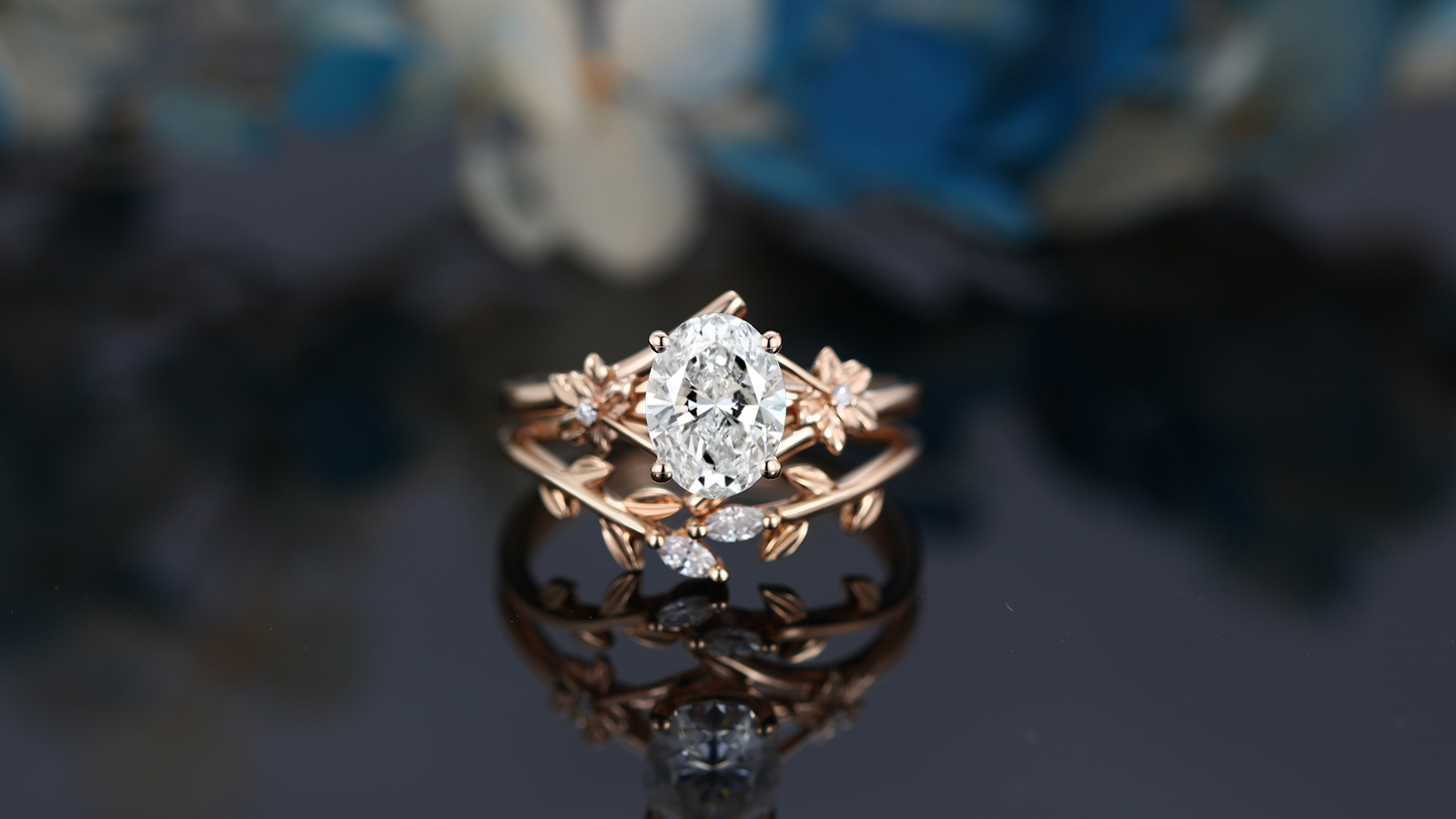
When shopping for a diamond ring, one question keeps coming up: Lab diamond vs natural diamond — which one is actually worth it in 2026?
At first glance, they look identical. Both offer brilliant sparkle, exceptional durability, and timeless elegance. But when you compare price, origin, resale value, and long-term practicality, the differences become much clearer.
This updated 2026 guide breaks down everything you need to know — so you can choose the right diamond with confidence.
- What Is a Lab Diamond?
- What Is a Natural Diamond?
- Lab Diamond vs Natural Diamond: Key Differences (2026)
- Price Comparison: Which One Gives Better Value?
- Which One Looks More Expensive?
- Pros and Cons: Lab Diamond vs Natural Diamond
- Best Choice for Different Buyers (Quick Decision Guide)
- Lab Diamond vs Natural Diamond for Engagement Rings
- How This Relates to April Birthstone Jewelry
- Explore Diamond Ring Styles (Before You Decide)
- Final Thoughts: Is a Lab Diamond Worth It in 2026?
- FAQ
What Is a Lab Diamond?
A lab-grown diamond (also called lab-created diamond) is a real diamond produced in a controlled environment using advanced technology that replicates natural formation.
It has:
- The same carbon structure
- The same hardness (10 on the Mohs scale)
- Identical brilliance, fire, and sparkle
Key point:
A lab diamond is not a fake or simulant — it is a real diamond, just created differently.
What Is a Natural Diamond?
A natural diamond forms deep within the Earth over billions of years under extreme pressure and heat.
It is:
- Mined from the Earth
- Naturally rare
- Traditionally associated with luxury and heritage
For many buyers, natural diamonds carry emotional value tied to their origin and history.
Lab Diamond vs Natural Diamond: Key Differences (2026)
|
Feature |
Lab Diamond |
Natural Diamond |
|
Composition |
Identical |
Identical |
|
Appearance |
Identical |
Identical |
|
Hardness |
10 (Mohs) |
10 (Mohs) |
|
Origin |
Lab-created |
Earth-mined |
|
Price |
60–80% lower |
Higher |
|
Rarity |
Controlled |
Naturally rare |
|
Resale Value |
Lower |
Relatively higher |
Even trained professionals cannot tell them apart without specialized equipment.
Price Comparison: Which One Gives Better Value?
In 2026, lab diamonds typically cost 60–80% less than natural diamonds of similar quality.
Example (1 carat, G color, VS clarity):
- Lab diamond: ~$800 – $1,500
- Natural diamond: ~$4,000 – $6,000+
This means you can:
- Choose a larger stone
- Upgrade to a better cut (more sparkle)
- Invest in a more unique ring design
For most buyers, lab diamonds offer significantly better value.
Which One Looks More Expensive?
Here’s the truth most buyers care about:
They look exactly the same.
- Same sparkle
- Same clarity
- Same visual impact
In fact:
- A larger lab diamondoften looks more impressive than a smaller natural one
- No one can tell the difference without lab equipment
This is why many buyers choose lab diamonds — they simply look better for the price.


Pros and Cons: Lab Diamond vs Natural Diamond
Lab Diamond Pros
- Much more affordable
- Larger size for the same budget
- Visually identical to natural diamonds
- More modern and accessible
Lab Diamond Cons
- Lower resale value
- Prices may continue to decrease over time
Natural Diamond Pros
- Rare and naturally formed
- Strong traditional and emotional appeal
- Better resale retention
Natural Diamond Cons
- Significantly more expensive
- Smaller size for the same budget
Best Choice for Different Buyers (Quick Decision Guide)
Choose a lab diamond if you:
- Have a budget under $2,000
- Want a bigger, more eye-catching ring
- Prefer modern, practical luxury
- Plan to wear the ring daily
Choose a natural diamond if you:
- Value rarity and tradition
- Care about long-term resale perception
- Want a stone formed naturally over billions of years
Lab Diamond vs Natural Diamond for Engagement Rings
In 2026, buying trends have shifted significantly.
More couples are choosing lab diamond engagement rings because they offer:
- Better size and quality for the same price
- More flexibility in design
- A smarter balance between beauty and budget
For most modern engagement rings, lab diamonds are now the preferred option.
How This Relates to April Birthstone Jewelry
Diamonds are also the official April birthstone, symbolizing strength, clarity, and lasting love.
Today, both lab and natural diamonds are widely accepted as birthstones.
If you’re choosing a meaningful gift or everyday ring, you can explore our full guide here:
April Birthstone (Diamond): Meaning, Rings & Buying Guide
Lab diamonds, in particular, make it easier to own a larger and more affordable birthstone ring without sacrificing beauty.
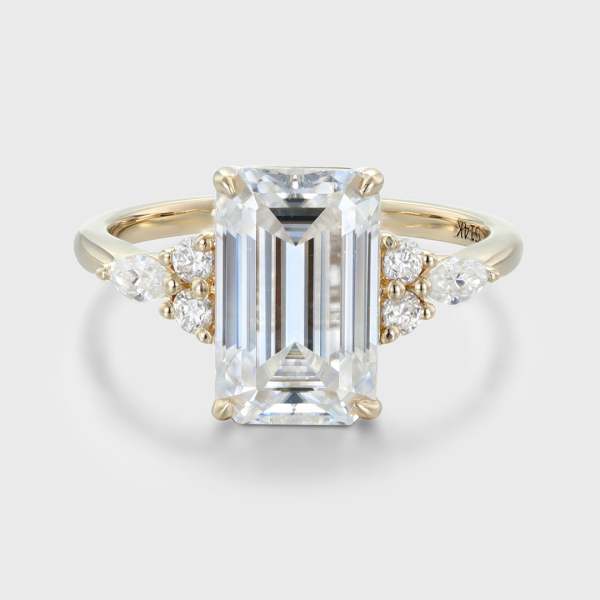
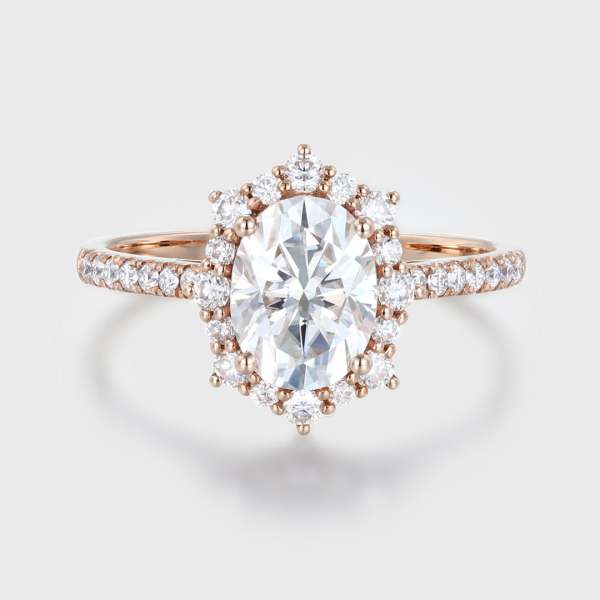
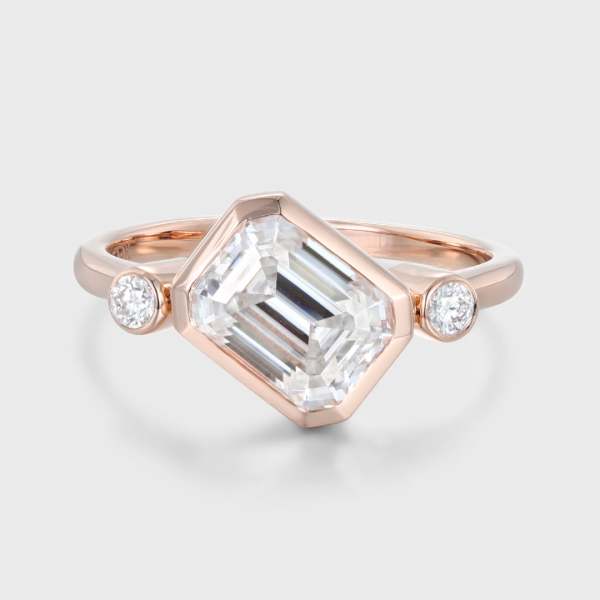
Explore Diamond Ring Styles (Before You Decide)
Before making your final decision, it helps to consider style as well as stone type.
Popular options include:
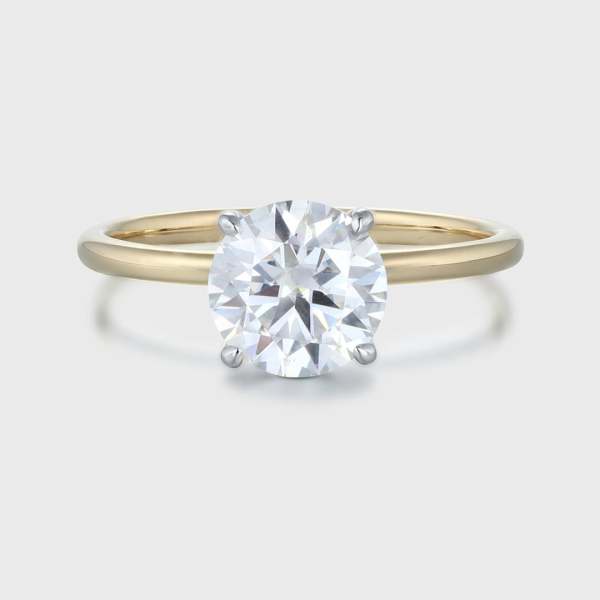
- Classic solitaire rings (timeless and minimal)
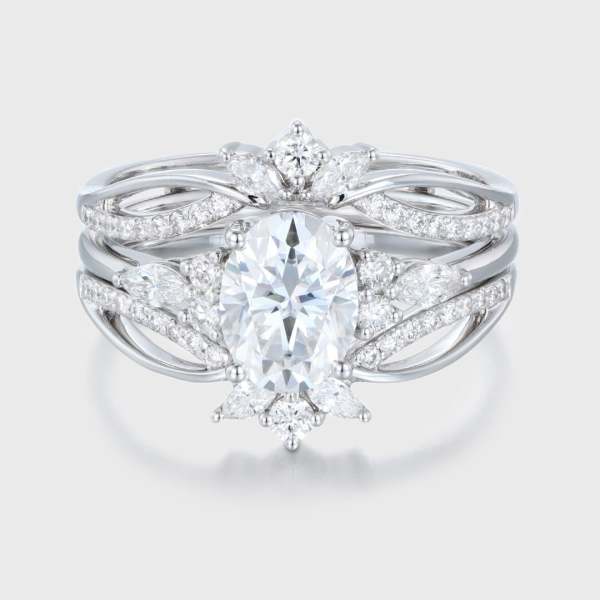
- Halo settings (extra sparkle)
- Vintage-inspired designs (romantic and detailed)
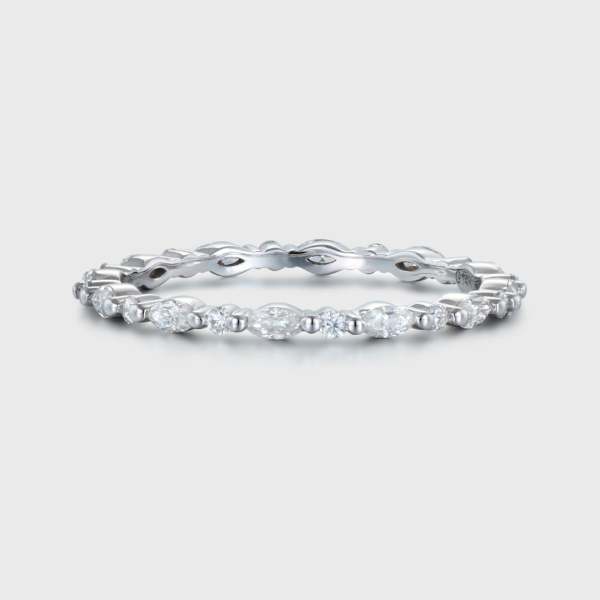
- Stackable bands (modern everyday wear)
Many buyers today choose lab diamond rings in these styles to achieve a high-end look at a more accessible price point.
Final Thoughts: Is a Lab Diamond Worth It in 2026?
So, is a lab diamond worth it?
For most people — yes.
You get:
- The same brilliance and durability
- A significantly larger or higher-quality stone
- Better overall value
Unless rarity and tradition are your top priorities, a lab diamond is the smarter choice for modern buyers in 2026.