
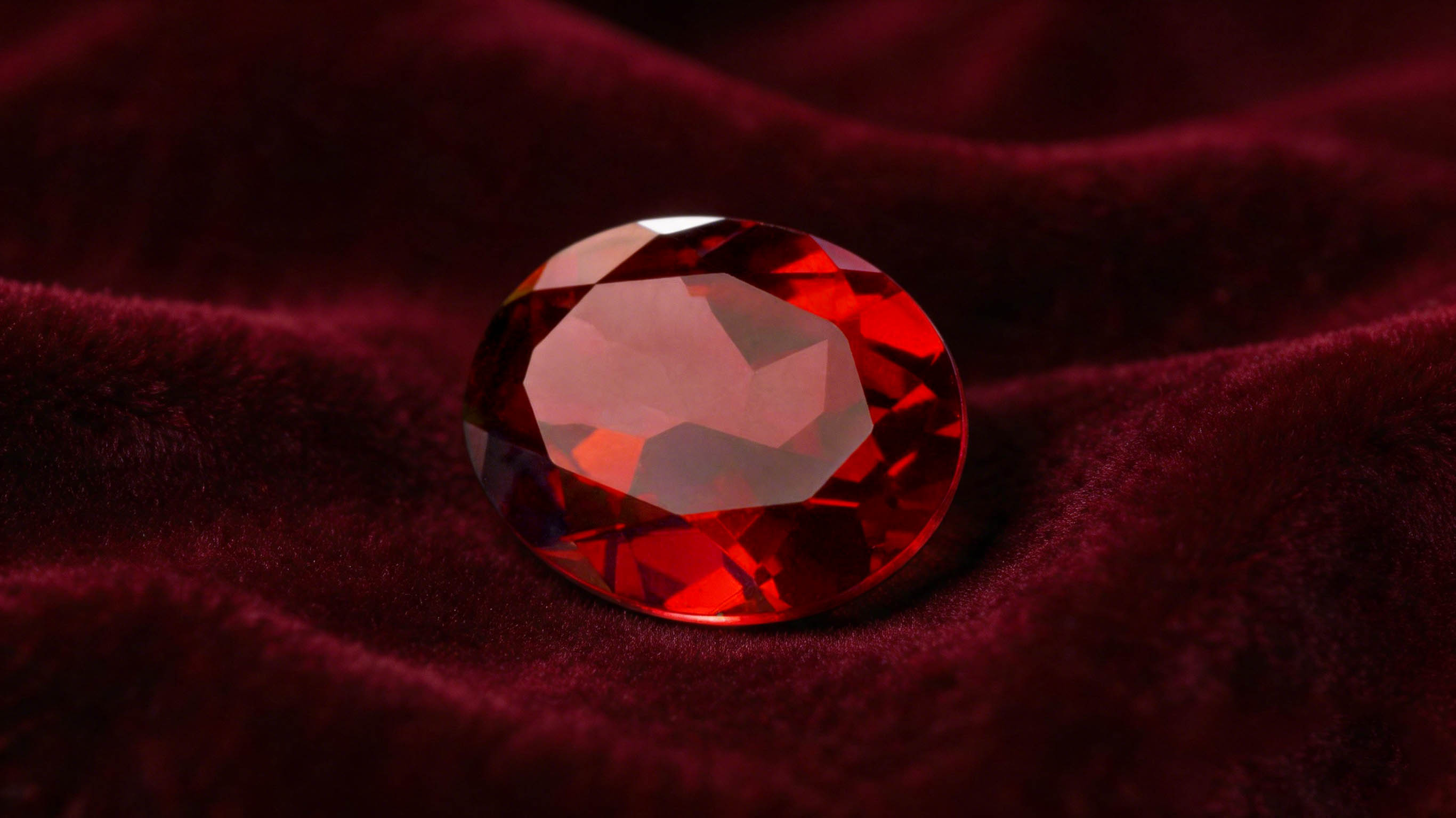
If you’ve ever bought a ruby online or admired one in a photo only to discover it looks darker in real life, you’re definitely not alone. Many gemstone buyers ask the same question: Why Does My Ruby Look Darker in Person Than in Photos?
The answer usually comes down to lighting, camera settings, gemstone cut, and the natural characteristics of rubies themselves. Photos often enhance color and brightness, while the human eye sees gemstones differently under everyday conditions.
In this guide, you’ll learn exactly why rubies can appear darker in person, how jewelers photograph gemstones, and what you can do to evaluate ruby color more accurately before making a purchase.
Why Does My Ruby Look Darker in Person? (Complete Guide)
- Understanding Ruby Color Basics
- Why Photos Often Make Rubies Look Brighter
- Lighting Conditions and Ruby Appearance
- Ruby Cut and Its Impact on Darkness
- Tone, Saturation, and Hue Explained
- Treatments That Affect Ruby Appearance
- Viewing Angles and Human Vision
- How to Evaluate a Ruby Correctly
- Tips to Make Your Ruby Look Brighter
- Conclusion
- Frequently Asked Questions
Understanding Ruby Color Basics
Rubies are among the most admired gemstones in the world because of their rich red color and rarity. However, not all rubies display the same shade or brightness.
What Gives Rubies Their Red Color
Rubies belong to the mineral corundum. Their red color comes primarily from chromium. The amount of chromium inside the stone affects how vivid or dark the ruby appears.
Some rubies show a bright “pigeon blood” red, while others appear deep burgundy or even brownish-red. The darker the tone, the less light returns to your eyes.
The Role of Chromium in Ruby Formation
Chromium doesn’t just create color—it also causes fluorescence. In sunlight, some rubies glow intensely because chromium reacts to ultraviolet light. This effect often makes rubies appear brighter outdoors than indoors.
That’s one reason your ruby may look stunning in photographs taken under strong lighting but darker at home.
Why Photos Often Make Rubies Look Brighter
Photography can dramatically change how gemstones appear.
Camera Exposure and Automatic Brightness
Modern smartphone cameras automatically brighten dark areas. When photographing a ruby, the camera may increase exposure to reveal details. This makes the gemstone look lighter and more vivid than it appears naturally.
Cameras also process colors differently than the human eye. Reds are often boosted digitally because they attract attention and look more luxurious.
Professional Jewelry Lighting Tricks
Jewelry photographers use highly controlled lighting setups to maximize sparkle and color. They may use:
- Diffused LED lighting
- Reflectors
- White backgrounds
- Macro lenses
- Light tents
These techniques reduce shadows and intensify brightness.
Image Editing and Filters
Many online ruby listings undergo editing after the photo is taken. Adjustments may include:
- Increased saturation
- Higher contrast
- Sharpening
- Enhanced brilliance
Even slight edits can make a ruby appear far brighter than it does in ordinary indoor lighting.
For gemstone photography insights, you can explore resources from Gemological Institute of America (GIA).
Lighting Conditions and Ruby Appearance
Lighting is probably the biggest reason rubies look different in person.
Natural Sunlight vs Indoor Lighting
Sunlight contains a full color spectrum. This helps rubies display their strongest red tones.
Indoor lighting is usually weaker and may lack red wavelengths. As a result, the ruby can appear darker or less vibrant.
LED Lights and Color Temperature
Cool white LEDs often mute red gemstones. Warm lighting tends to flatter rubies more effectively.
Fluorescent Lighting Effects
Fluorescent bulbs may make rubies look dull or purplish because they emit uneven color spectrums.
Spotlighting in Jewelry Stores
Jewelry stores carefully position bright spotlights directly above gemstone displays. These lights increase brilliance and minimize dark zones inside the ruby.
At home, normal room lighting is rarely as intense.
Ruby Cut and Its Impact on Darkness
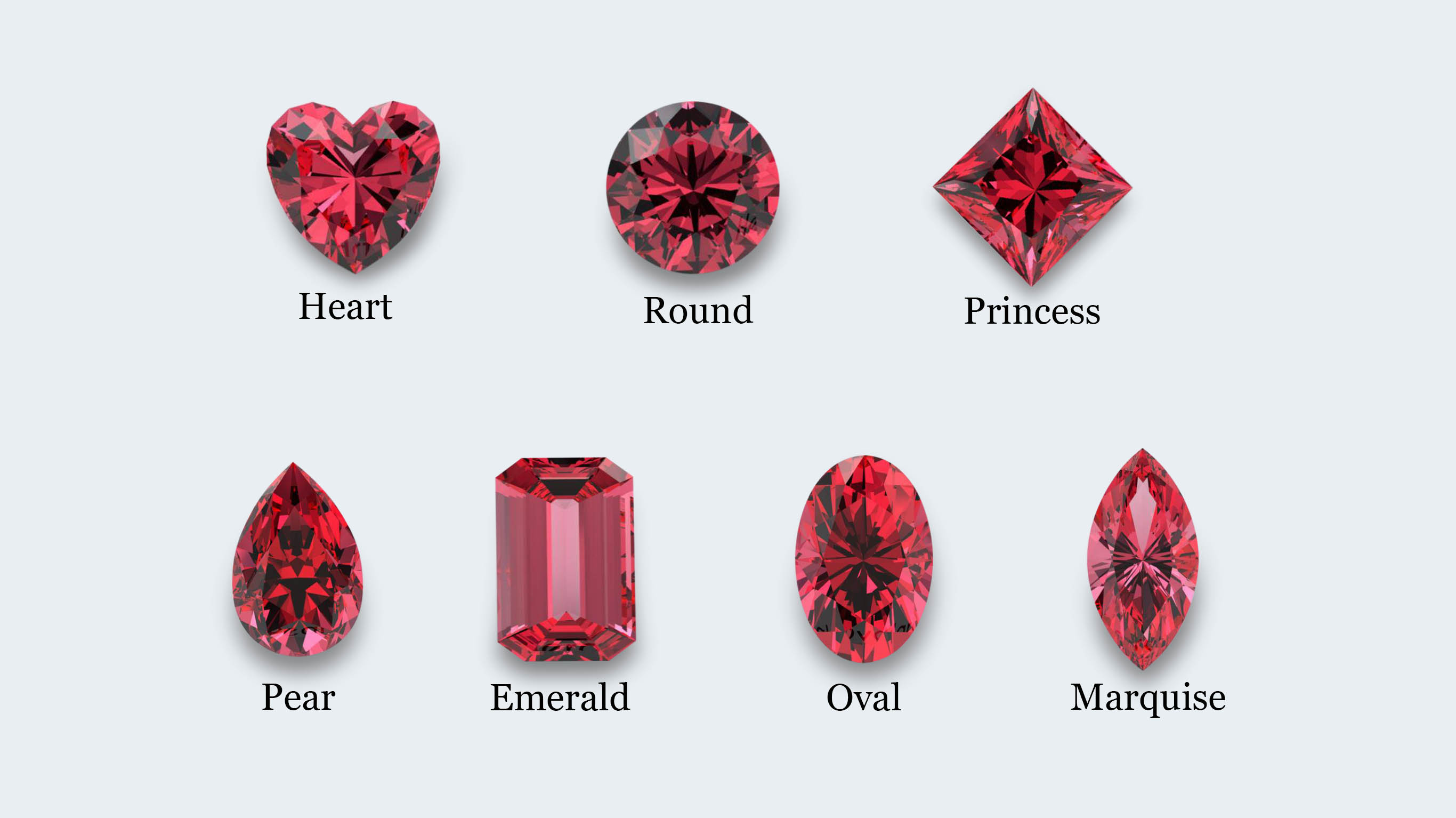
The cut of a ruby greatly affects how light travels through the stone.
Deep Cuts vs Shallow Cuts
Deeply cut rubies often look darker because light gets trapped inside the gemstone instead of reflecting outward.
Shallow stones may appear brighter but can suffer from “windowing,” where light passes straight through the center.
Windowing and Light Return
A well-cut ruby balances brilliance and color. Poorly cut rubies may show:
- Dark extinction zones
- Uneven brightness
- Black patches
- Reduced sparkle
Even a high-quality ruby can appear overly dark if the cut isn’t optimized.
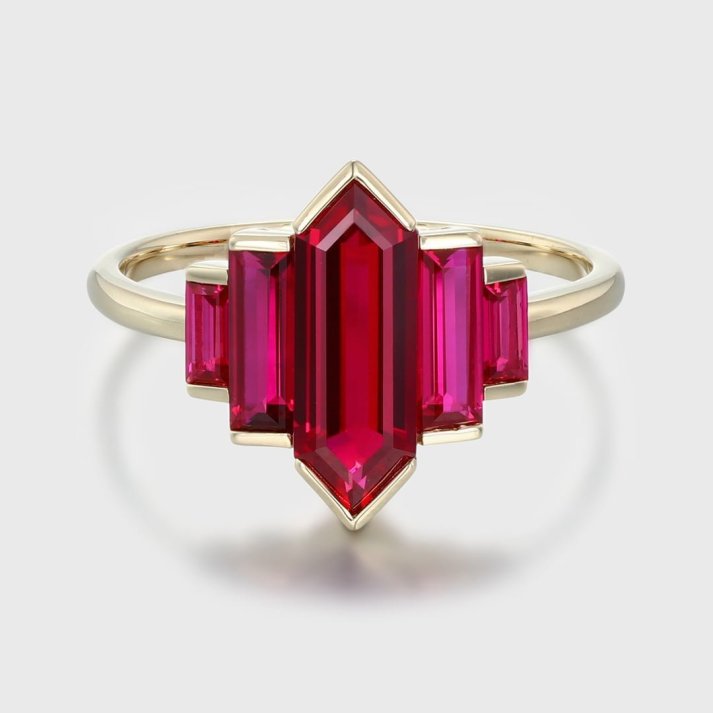


Tone, Saturation, and Hue Explained
Understanding gemstone grading helps explain color differences.
Why Dark Tone Rubies Look Blackish
Gemologists evaluate ruby color using:
- Hue
- Tone
- Saturation
Tone refers to how light or dark the ruby appears. Extremely dark rubies absorb more light, making them seem nearly black indoors.
The Ideal Ruby Color Balance
The most valuable rubies usually have:
- Medium to medium-dark tone
- Strong saturation
- Pure red hue
Stones that are too dark lose brilliance and visual appeal.
If you're still deciding whether ruby matches your personality, birthstone meaning, or lifestyle, read our complete guide on Who Should Wear Ruby Stone? Benefits, Personality Match & Buying Guide.
Treatments That Affect Ruby Appearance
Most rubies on the market are treated to improve appearance.
Heat Treatment
Heat treatment can enhance color and clarity. Properly treated rubies often look more attractive and vibrant.
However, treatment effects may appear stronger under studio lighting than in everyday settings.
Glass-Filled Rubies
Some lower-quality rubies are filled with lead glass to improve transparency. These stones can photograph beautifully but may look unnatural or overly dark in person.
Always request certification from trusted gem labs.
Viewing Angles and Human Vision
Eye Perception vs Camera Sensors
Human eyes adapt constantly to surrounding light. Cameras process scenes differently and may exaggerate brightness or color contrast.
A ruby viewed straight-on may look darker than it does from slight angles where more light enters the stone.
Distance and Background Contrast
Dark clothing, dim environments, or certain jewelry settings can make a ruby appear darker.
White backgrounds in photos create contrast that boosts perceived brightness.
How to Evaluate a Ruby Correctly
Before buying a ruby, it’s important to evaluate it under realistic conditions.
Best Lighting for Viewing Rubies
Experts recommend checking rubies under:
- Daylight
- Office lighting
- Warm indoor lighting
- Outdoor shade
This reveals how the stone performs across environments.
Questions to Ask Before Buying
Ask the seller:
- Is the ruby treated?
- Can I see unedited videos?
- What lighting was used in photos?
- Does the ruby appear darker indoors?
- Is there a return policy?
These questions help avoid disappointment.
Want to choose a ruby ring with the ideal balance of color, brightness, and budget? Read The Complete Ruby Ring Buying Guide (2026): How to Choose the Right One for Your Budget & Style.
Tips to Make Your Ruby Look Brighter
Fortunately, there are several ways to improve your ruby’s appearance.
Jewelry Cleaning Techniques
Dirt and oils reduce brilliance quickly. Clean your ruby regularly using:
- Warm water
- Mild soap
- Soft toothbrush
Avoid harsh chemicals.
Choosing the Right Setting
White gold or platinum settings often reflect more light into the ruby, making it appear brighter.
Closed-back settings may deepen darkness.
Matching Ruby Jewelry With Lighting
Rubies look best in warm, natural lighting. Outdoor evening light can create a rich glowing effect.
Conclusion
So, Why Does My Ruby Look Darker in Person Than in Photos? The answer usually involves a combination of lighting, photography enhancements, gemstone cut, and the ruby’s natural tone.
Photos often showcase rubies under ideal conditions using bright studio lights and editing tools. Real-life environments rarely match those conditions, which can make the gemstone appear darker or less vivid. The best way to judge a ruby is to see it under multiple lighting conditions and request realistic videos before purchasing online. A ruby that still looks beautiful in ordinary lighting is usually a strong choice.
If you're searching for a ruby ring that looks beautiful not only in photos but also in everyday life, explore the ruby collection from Oveela Jewelry.
Frequently Asked Questions
A ruby with a very dark tone absorbs light indoors, especially under weak lighting conditions.
Not always, but extremely dark rubies are usually less desirable than vivid red stones with balanced brightness.
Yes. Smartphone cameras often increase brightness and saturation automatically.
Absolutely. Heat treatment and glass filling can change how a ruby reacts to light.
Natural daylight is generally the best lighting for evaluating true ruby color.
Jewelry stores use specialized spotlights designed to maximize gemstone brilliance and color.