
If you are about to spend real money on a diamond, uncertainty is the last thing you want. A beautiful stone can be emotionally exciting, especially if it is for an engagement, anniversary, or once-in-a-lifetime gift. But before you fall in love with the sparkle, you need to know exactly what you are buying.
A lab-grown diamond can be identified through certification, laser inscription, and professional gemological testing. Because lab-grown diamonds have the same chemical composition and optical properties as natural diamonds, simple visual inspection is usually not enough. The most reliable method is checking a trusted grading report and confirming the diamond through specialized laboratory equipment.
The good news is that you do not need to be a gemologist to protect yourself. With the right documents and a few smart questions, you can buy with confidence instead of guessing.
What Is a Lab-Grown Diamond?
A lab-grown diamond is a real diamond created using advanced technology that replicates the natural diamond formation process. It is made in controlled laboratory conditions instead of forming underground over millions of years. That means a lab-grown diamond is not a fake diamond. It is not cubic zirconia, and it is not moissanite. It is a genuine diamond with the same crystal structure as a mined diamond. The difference is origin, not basic composition.
The two primary methods used to create lab-grown diamonds are:
- HPHT (High Pressure High Temperature):Uses conditions similar to those found deep inside the Earth.
- CVD (Chemical Vapor Deposition):Builds diamond crystals layer by layer from carbon-containing gases.
For many buyers, lab-grown diamonds are attractive because they can offer a larger look or higher quality for the budget. But that value only makes sense when you know exactly what you are purchasing. If you are comparing options, origin matters just as much as appearance.
Lab-grown diamonds contain carbon atoms arranged in the same crystal structure as natural diamonds. This is why they cannot be reliably separated by appearance alone.
Can You Tell a Lab Diamond From a Natural Diamond by Looking?
No. Most people cannot identify a lab-grown diamond simply by looking at it. That is one of the biggest reasons buyers feel nervous. A diamond can look flawless in a showroom, sparkle beautifully under lighting, and still be lab-grown. Even experienced jewelers usually need specialized instruments to confirm whether a diamond was created naturally or in a laboratory.
A lab-grown diamond may have the same:
- Brightness
- Fire and sparkle
- Hardness
- Color appearance
- Crystal structure
Some clues may appear under magnification, such as growth patterns or specific inclusions, but these observations alone are not always enough for a final identification. Professional laboratories use advanced testing equipment to confirm origin.
The takeaway is simple: do not trust your eyes alone. If the diamond is expensive, sentimental, or part of a major purchase, visual inspection is only the starting point.
Check the Diamond Certification Report
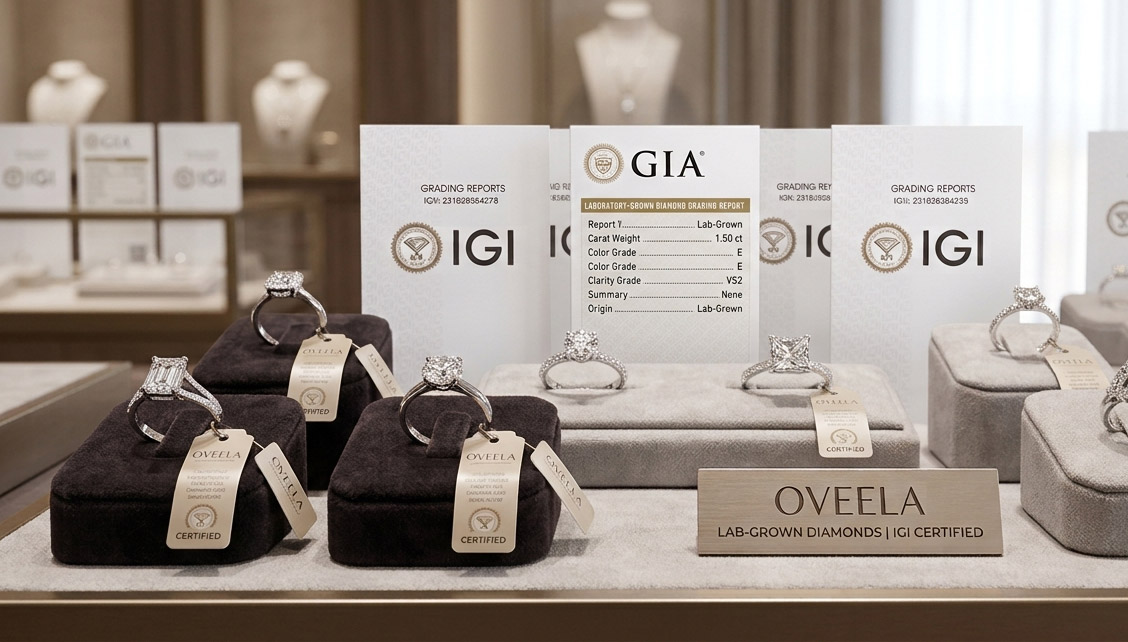
The easiest and most important starting point is reviewing the diamond’s certification or grading report.
A reputable laboratory report can confirm whether a diamond is:
- Natural
- Laboratory-grown
- Treated or modified
When purchasing a diamond, ask for the original report before you pay. If the seller cannot provide one, or if the report details are vague, that is a warning sign. A trustworthy seller should be able to explain the diamond clearly and show documentation without hesitation.
Common information included in a diamond report:
|
Information |
Why It Matters |
|
Diamond origin |
Shows whether it is lab grown or natural |
|
Carat weight |
Confirms the diamond size |
|
Color grade |
Describes diamond appearance |
|
Clarity information |
Shows internal characteristics |
|
Cut information |
Explains proportions and finishing |
|
Report number |
Allows verification |
|
Lab name |
Confirms who graded the stone |
|
Comments or notes |
May reveal growth method or special details |
The Gemological Institute of America (GIA) provides laboratory-grown diamond reports and uses identification methods designed to distinguish lab-grown diamonds from natural diamonds. GIA reports for lab-grown diamonds include identification details, and qualifying stones may have laser inscriptions on the diamond’s girdle.
If you are buying online, the report is even more important. Photos can be flattering, lighting can be misleading, and product descriptions can be incomplete. The certificate is your proof.
Important Details on a Lab Diamond Report
When reviewing a certificate, check these details carefully:
1. Report Type
Make sure the document specifically identifies the stone as laboratory-grown. A certificate should not leave the diamond origin unclear. If the report only says “diamond” without clearly stating whether it is natural or lab-grown, ask for clarification before moving forward.
2. Report Number
The report number should match any inscription on the diamond itself. This number is one of the easiest ways to connect the physical stone to the paperwork. If the numbers do not match, stop and investigate.
3. Growth Method
Some reports identify whether the diamond was created using HPHT or CVD technology. This matters because different growth methods can leave different internal characteristics. It also helps you understand the stone more fully.
4. Quality Information
The report should match the physical diamond, including:
- Shape
- Measurements
- Weight
- Color
- Clarity
A mismatch between the report and the diamond is a warning sign. If the stone looks different from the paperwork, do not assume it is a harmless mistake.
5. Laboratory Name and Security Features
A trusted report should come from a recognized gemological laboratory and include security features such as a report number, QR code, or verification method. If the seller gives you a certificate from an unknown source, treat it carefully. A real diamond deserves real documentation.
6. Comments or Special Notes
Some reports include notes about fluorescence, growth structure, or other identifying details. These notes may seem technical, but they can be useful if you ever need to verify the diamond again later for insurance, resale, or peace of mind.
Look for a Laser Inscription on the Diamond
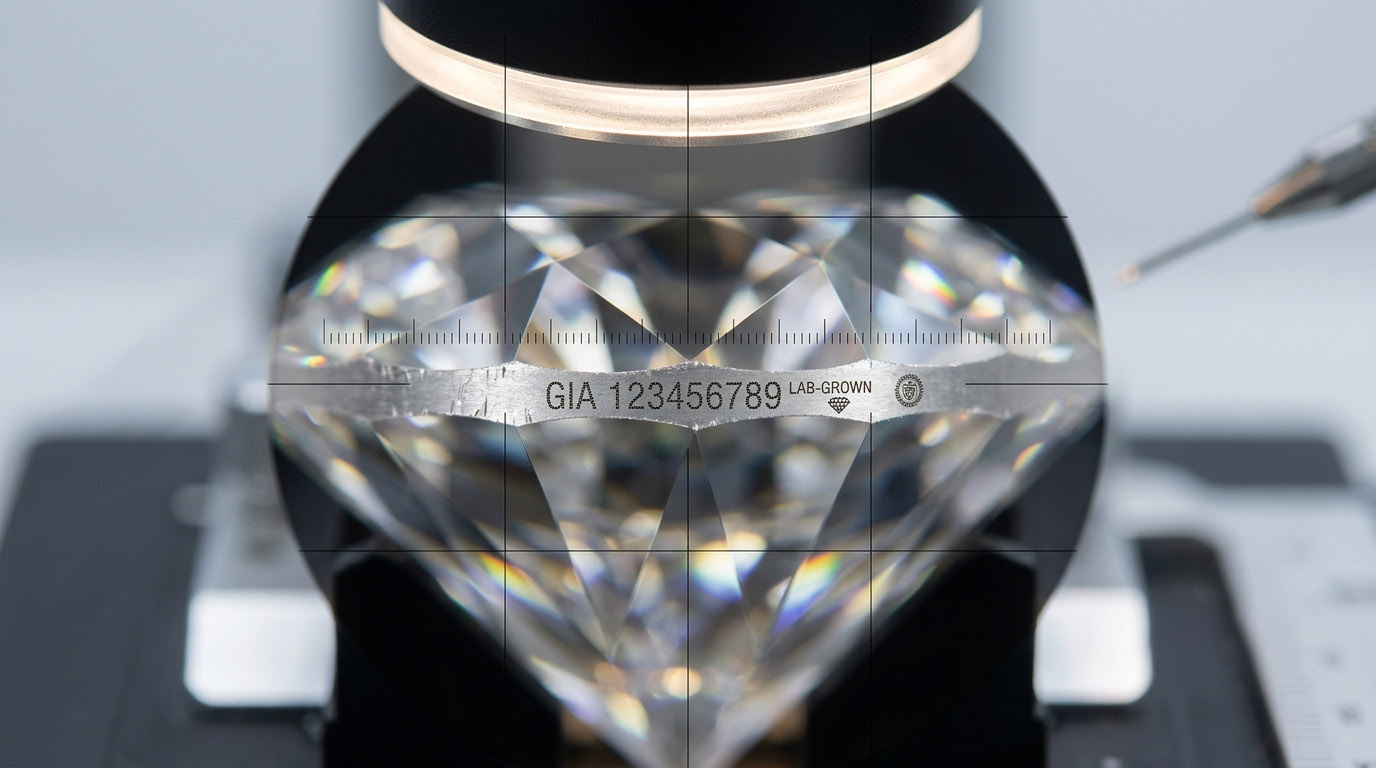
Many certified diamonds have a microscopic laser inscription on the outer edge of the stone, called the girdle.
This inscription may include:
- A certification number
- Identification details
- A laboratory-grown designation
Because the inscription is extremely small, jewelers usually view it with a microscope or specialized loupe.
For example, GIA laboratory-grown diamonds can include laser inscriptions stating “Laboratory-Grown” along with the report number. The inscription itself does not replace certification, but it helps confirm that the physical diamond matches its documentation. If you are standing in a store and the seller can show you the inscription under magnification, that is a reassuring sign. If a seller says the inscription is unnecessary or refuses to show it, that should make you pause. A transparent seller should welcome verification, not avoid it.
Professional Diamond Testing Methods
When a diamond’s origin is uncertain, professional laboratories use advanced instruments. This is where the real confirmation happens. A lab-grown diamond may look identical to a natural diamond to the naked eye, but scientific testing can reveal the story inside the stone.
Spectroscopic Testing
Scientists analyze how a diamond interacts with light. These measurements can reveal characteristics connected to the diamond’s growth process.
Photoluminescence Testing
This method examines defects and impurities inside the diamond crystal. Different growth processes can leave different patterns that help laboratories identify whether a diamond was created naturally or in a laboratory.
Fluorescence Imaging
Specialized ultraviolet testing can reveal growth-related patterns that are difficult or impossible to see with normal viewing.
Inclusion Analysis
Experts may examine internal features under magnification. Lab-grown diamonds may contain characteristics linked to their manufacturing process, but these features are not always visible or conclusive without advanced testing. Professional labs do not rely on one clue alone. They combine multiple methods to build a reliable conclusion. That is why a basic home check is not enough when the purchase matters.
Common Mistakes When Identifying Lab Diamonds
Many popular identification methods are unreliable. This is where buyers often make expensive mistakes. A diamond can look convincing, sound convincing, and even be sold confidently by someone who is not giving you the full picture.
Mistake 1: Checking Sparkle Alone
A diamond’s brilliance does not reveal whether it is natural or lab grown. Sparkle is emotional, but it is not proof.
Mistake 2: Using a Home Diamond Tester Only
Basic testers may confirm that a stone is diamond, but many cannot determine whether it was grown in a laboratory. A tester that says “diamond” does not automatically mean “natural diamond.”
Mistake 3: Looking for Perfect Clarity
Some people assume lab diamonds are always flawless. This is incorrect. Lab-grown diamonds can have inclusions and quality variations.
Mistake 4: Trusting Price Alone
A lower price may suggest a lab-grown diamond, but pricing alone cannot prove origin.
Mistake 5: Buying Without Paperwork
If there is no certificate, no report number, and no clear explanation, you are taking a risk. A beautiful diamond should come with clear facts, not vague promises.
Why More Buyers Choose Lab Diamond Rings
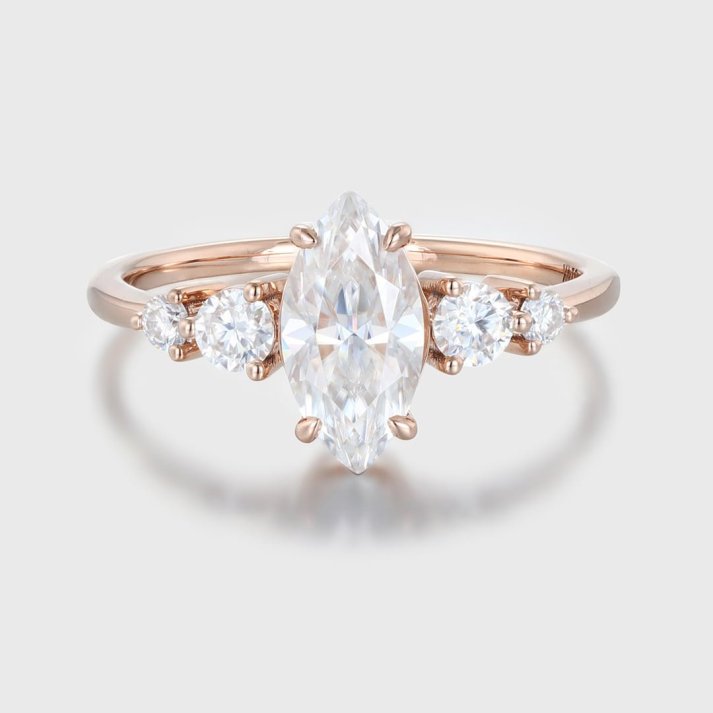
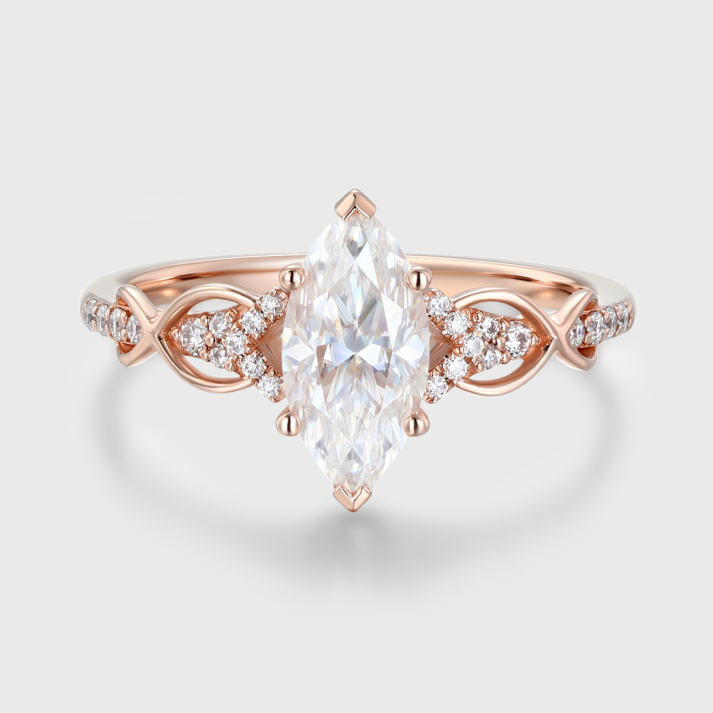
Lab diamond rings have become a popular choice because they combine beauty, value, and flexibility. Many buyers like the ability to choose a larger center stone, a more elaborate setting, or a higher overall quality within the same budget.
For engagement rings especially, lab-grown options make it easier to prioritize cut, size, and design without sacrificing transparency. That means buyers can focus on the look they love while still staying within budget.
Other reasons more buyers choose lab diamond rings include:
- Better value for the price:Many shoppers can get a larger or higher-quality-looking ring for the same budget.
- Modern appeal:Lab-grown diamonds fit the preferences of buyers who want a contemporary, smart purchase.
- Design flexibility:More budget room can mean more options for settings, side stones, and custom details.
- Clear documentation:Certified lab-grown diamonds make the buying process easier to understand.
- Meaningful gifting:For engagements, anniversaries, and milestones, the ring still carries the same emotional value.
When a ring comes with a trusted certificate, the buying experience becomes even more reassuring. Buyers want beauty, but they also want clarity—and lab diamond rings can deliver both.
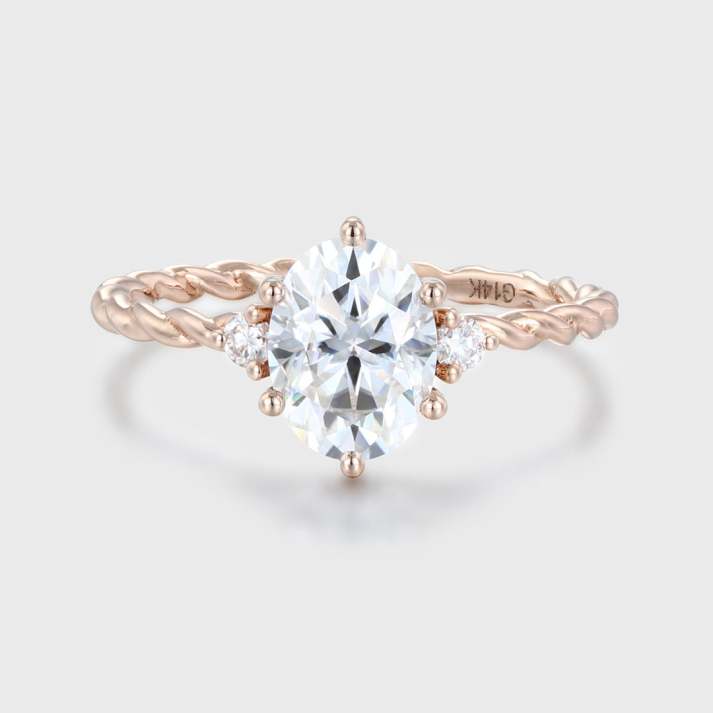
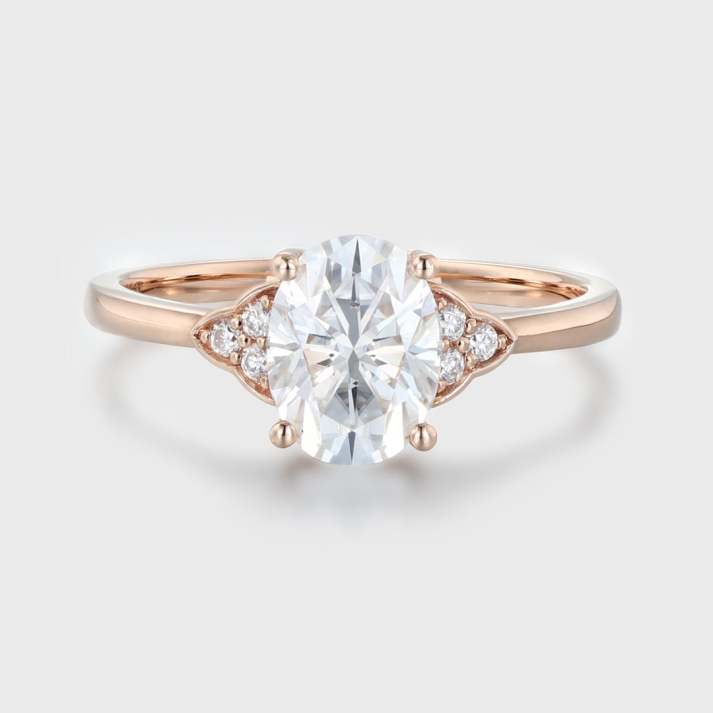
Why Choose OVEELA Jewelry for Lab Grown Diamond Jewelry
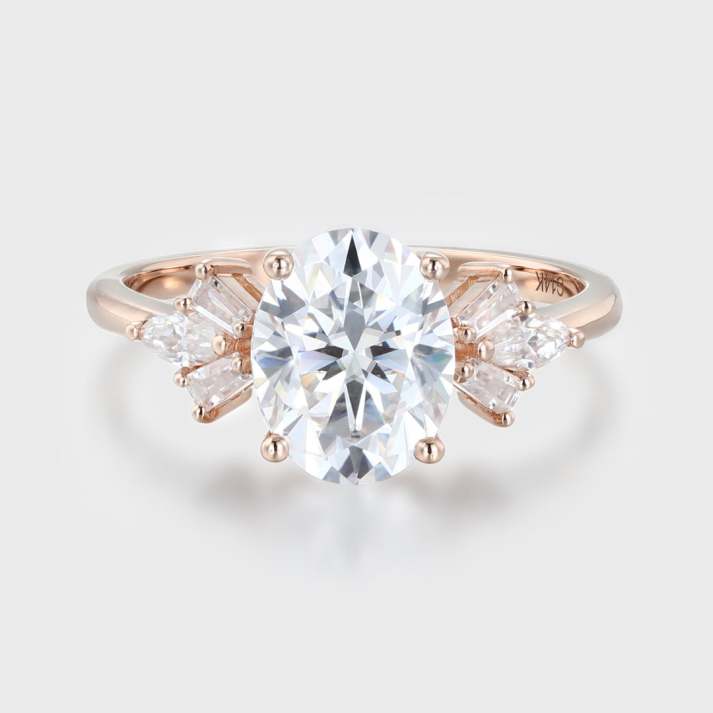
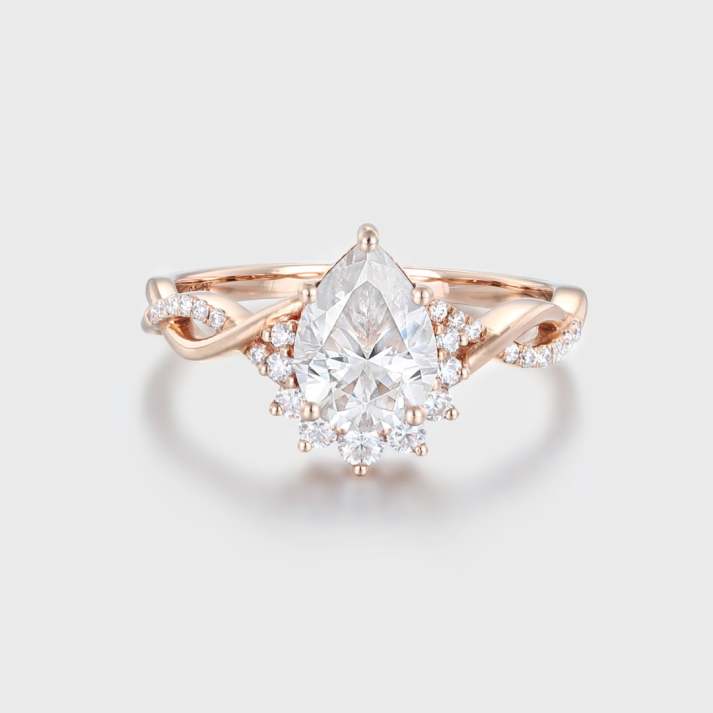
At OVEELA Jewelry, we make lab-grown diamond shopping simple and transparent. Our lab-grown diamond jewelry comes with IGI certificates, so you can verify the quality and origin of your stone with confidence.
We also offer transparent pricing, so you know exactly what you are paying for without hidden surprises. That makes it easier to compare options and choose the piece that fits your budget.
In addition, our collection includes a wide variety of styles—from classic solitaire rings to halo, three-stone, and modern designs—making it easier to find a piece that matches your taste and lifestyle.
Why customers choose OVEELA Jewelry:
- IGI-certified lab-grown diamonds
- Transparent pricing
- Wide variety of styles
- Elegant designs for everyday wear and special occasions
- A smoother, more confident shopping experience
Whether you are shopping for an engagement ring, anniversary gift, or everyday fine jewelry, OVEELA Jewelry is designed to give you clarity, choice, and confidence.
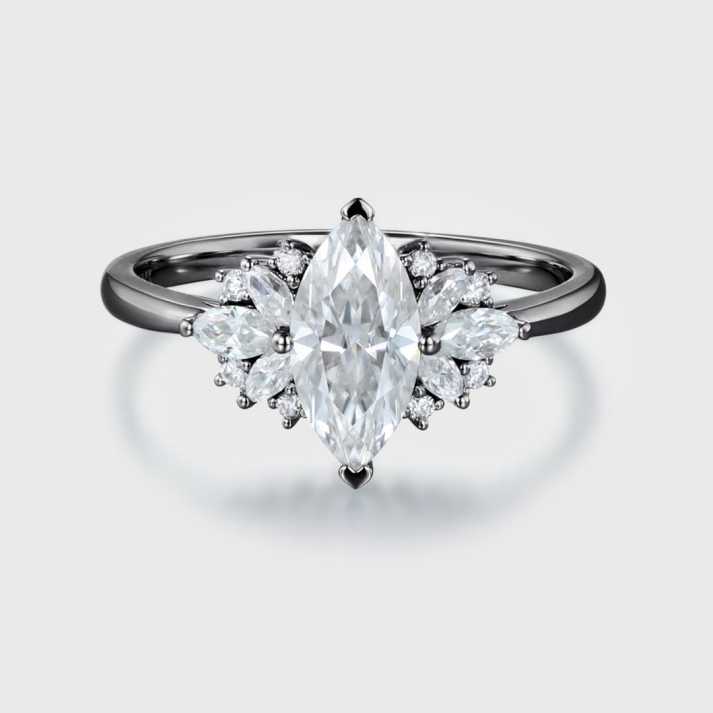
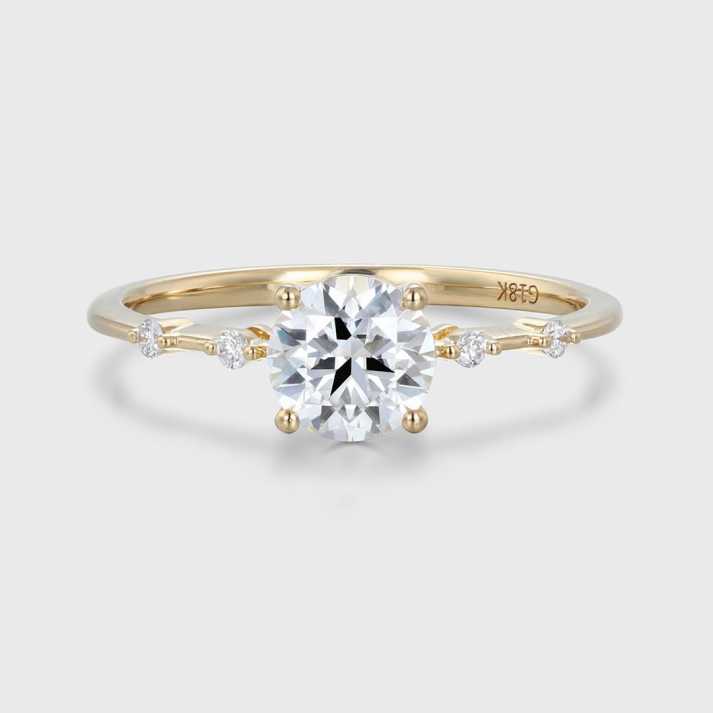
Conclusion
The best way to tell if a diamond is lab grown is through reliable documentation and professional verification. A certificate, matching laser inscription, and laboratory testing provide the strongest evidence of a diamond’s origin.
Visual inspection alone is not enough because lab-grown diamonds are genuine diamonds with properties very similar to natural stones. That is exactly why buyers should not rely on sparkle, price, or guesswork.
If you want IGI-certified lab-grown diamond jewelry with transparent pricing and a wide range of styles, OVEELA Jewelry is a strong place to start. The right diamond should feel exciting, clear, and trustworthy from the moment you choose it.
FAQs About Lab-Grown Diamond Identification
Yes. Lab-grown diamonds are real diamonds with the same crystal structure and chemical composition as natural diamonds.
Many basic diamond testers only confirm whether a stone is diamond. They usually cannot determine whether the diamond was created naturally or in a laboratory.
Yes. Many lab-grown diamonds are sold with grading reports from recognized gemological laboratories.
In most cases, no. Because their physical and optical properties are very similar, specialized testing is needed for reliable identification.
It can be a great choice if you want a larger or higher-quality look for your budget. The key is to buy with clear documentation so you know exactly what you are getting.