
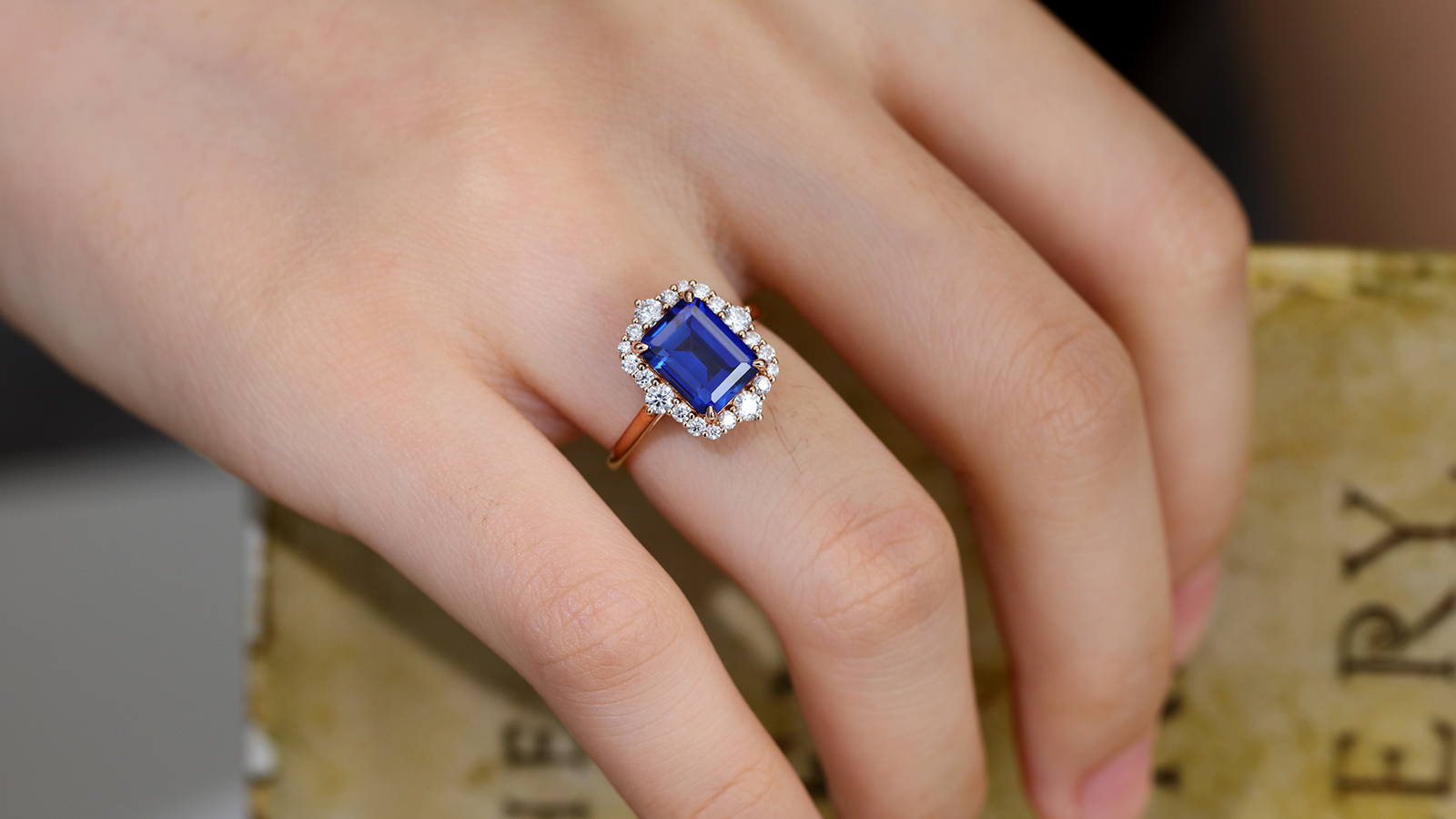
Sapphire engagement rings have become increasingly popular in recent years, especially among people looking for something more personal than a traditional diamond ring.
Some are drawn to the rich color. Others like the idea of wearing a gemstone that feels timeless without looking overly conventional. But beyond appearance, there’s another reason sapphire continues to stand out in engagement jewelry: it tends to fit naturally into everyday life.
An engagement ring is not something most people wear occasionally. It becomes part of daily routine — worn to work, while traveling, during ordinary moments, and over many years. Because of that, choosing a gemstone is not only about how it looks in photos. It’s also about durability, maintenance, comfort, and whether the ring still feels right long after the excitement of buying it fades.
Sapphire performs surprisingly well in that balance.
Is Sapphire Good for Engagement Rings? (Complete Guide)
Why Sapphire Works Well in Engagement Rings
One of the biggest reasons sapphire is widely used in engagement rings is durability.
Sapphire ranks 9 on the Mohs hardness scale, making it one of the hardest gemstones commonly worn in jewelry. In practical terms, this means it resists scratches well and generally holds up beautifully over time, even with regular wear.
That level of durability matters more than many people initially expect. Softer gemstones can require more caution in daily life, while sapphire tends to feel easier and less stressful to wear consistently.
At the same time, sapphire offers something visually different from diamond. Instead of focusing on intense brilliance, sapphire tends to emphasize depth of color and overall character. The look feels calmer, softer, and often more individual depending on the shade and setting.
For many people, that balance between practicality and personality is exactly what makes sapphire appealing as an engagement stone.
Explore more: What Is Sapphire? Meaning, Colors, Durability & Why People Love It
Different Sapphire Colors Create Different Ring Styles
One of the reasons sapphire engagement rings feel so versatile is that sapphire is not limited to one appearance.
Deep blue sapphire remains the most classic option. It tends to feel elegant, timeless, and slightly formal, especially in white gold or platinum settings.
Teal sapphire has become increasingly popular in modern engagement rings because it feels more unconventional and organic. The blue-green tones often pair beautifully with yellow gold and nature-inspired settings.
Pink sapphire creates a softer and more romantic look, while lighter peach or yellow sapphires can feel artistic and less traditional.
Because sapphire naturally exists in multiple colors, the overall mood of the ring can change dramatically depending on the stone you choose.


What Sapphire Feels Like in Everyday Wear
Many gemstone guides focus heavily on technical specifications, but daily experience matters just as much.
Sapphire engagement rings tend to feel low-maintenance in real life. You’re less likely to worry constantly about scratching the stone during normal daily activities, and sapphire generally keeps its appearance well over time.
That doesn’t mean it’s indestructible. Like all fine jewelry, sapphire can still be damaged by hard impact or poor ring design. A secure setting and thoughtful construction still matter.
But compared to many gemstones, sapphire usually feels reliable for long-term wear, which is one reason people continue choosing it for engagement jewelry generation after generation.
Things to Consider Before Choosing a Sapphire Engagement Ring
Sapphire works beautifully for engagement rings, but it also has characteristics worth understanding before choosing one.
Unlike diamonds, sapphire does not produce the same sharp brilliance or intense sparkle. Its beauty is usually more color-driven than light-driven. Some people prefer that softer, deeper appearance, while others still prefer the brightness of diamond.
Natural sapphires can also contain inclusions or slight variations in color. In many cases, those details make the stone feel more unique and organic rather than perfectly uniform.
Color is another important consideration. A deep blue sapphire creates a very different feeling from a pale teal or pink sapphire, and the metal choice can change the appearance even further. The same gemstone can feel classic, modern, vintage-inspired, or minimal depending on the overall ring design.
Choosing sapphire is often less about following tradition and more about choosing a ring that feels aligned with personal style and long-term wear.
Is Sapphire Better Than Diamond for Engagement Rings?
This usually comes down to what someone values most in a ring.
Diamond tends to emphasize brilliance, sharp sparkle, and a more traditional engagement ring appearance. Sapphire often feels more expressive, more color-focused, and slightly less expected.
Neither choice is universally better. They simply create different experiences once worn daily.
People who choose sapphire are often drawn to:
- Color and individuality
- A softer, less conventional look
- Symbolic meaning and personality
- A balance between beauty and practicality
People who prefer diamond often prioritize:
- Maximum brilliance
- Traditional styling
- Highly reflective appearance
The better option is usually the one that still feels natural years later, not only the one that stands out initially.
Final Thoughts
Sapphire has remained one of the most respected gemstones in engagement jewelry because it offers something many people are looking for today: durability without losing individuality.
It wears well over time, works across many different design styles, and feels personal in a way that many traditional rings no longer do. For some people, that means a classic deep blue sapphire set in platinum. For others, it may be a teal sapphire in warm gold or a softer pastel stone with a more understated feel.
What makes sapphire work so well for engagement rings is not just its hardness or appearance. It’s the fact that it manages to feel both lasting and personal at the same time.
FAQ
Yes. Sapphire is one of the hardest gemstones used in jewelry and is widely considered suitable for everyday wear.
Not easily. Sapphire has excellent scratch resistance compared to most gemstones.
Yes. Sapphire engagement rings have become increasingly popular as an alternative to traditional diamond rings.
Blue sapphire is the most classic choice, while teal and pink sapphires are popular for more modern or personal styles.
Yes. Sapphire typically has a softer, deeper glow rather than the intense brilliance associated with diamonds.