
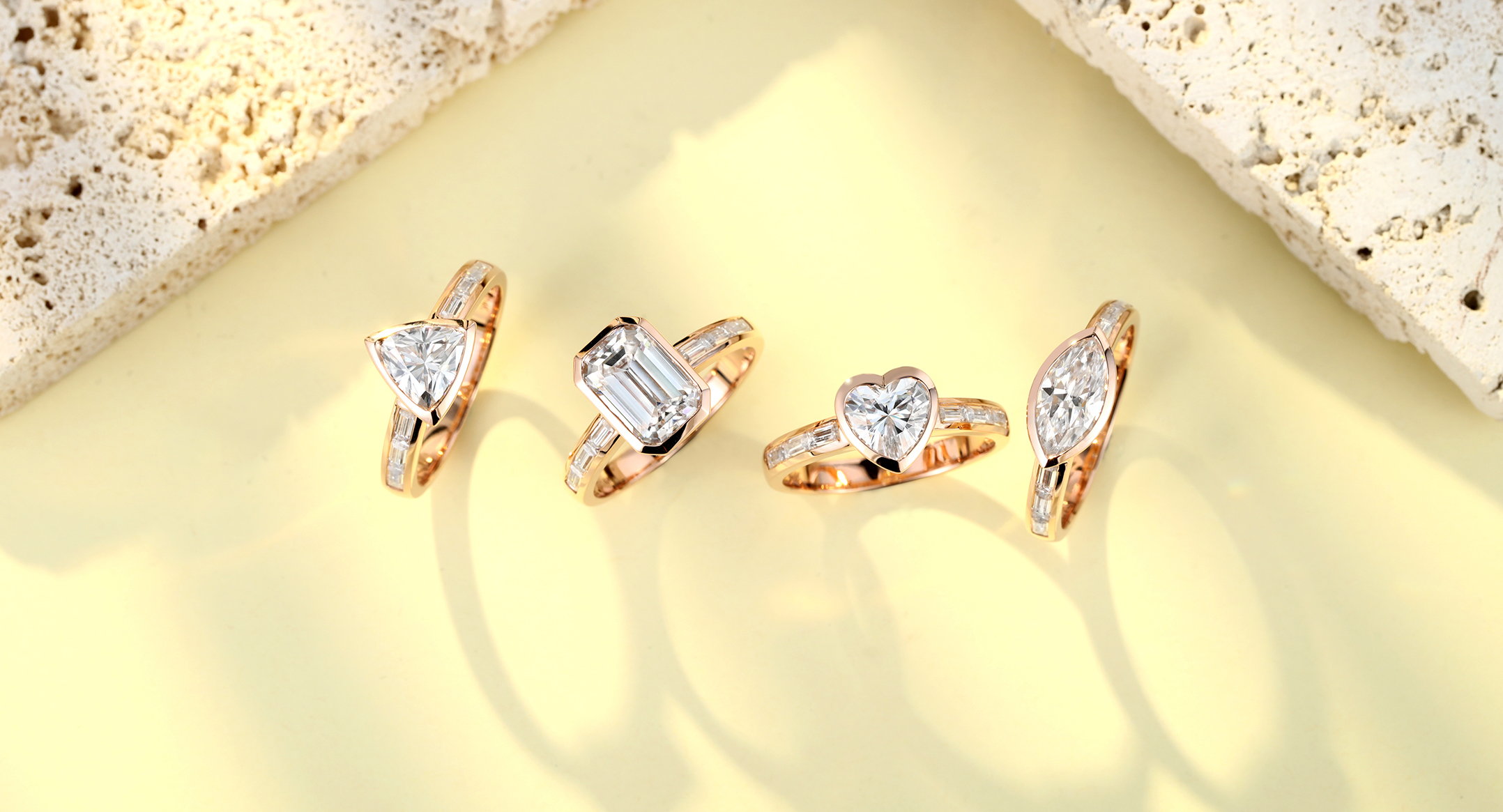
If you’ve been exploring engagement rings or fine jewelry, chances are you’ve come across moissanite.
At first glance, it looks a lot like a diamond—bright, clear, and full of sparkle. But once you start looking closer, you realize it’s something entirely different.
So what exactly is moissanite? And why has it become such a popular choice in modern jewelry?
This guide breaks it down in a clear, practical way—so you can understand what moissanite is, how it compares to other gemstones, and whether it’s right for you.
What Is Moissanite? (Complete Guide)
- What Is Moissanite?
- Where Does Moissanite Come From?
- What Does Moissanite Look Like?
- Key Features of Moissanite
- Is Moissanite the Same as Diamond?
- How Durable Is Moissanite?
- Why Is Moissanite So Popular?
- Does Moissanite Look Fake?
- Is Moissanite Good for Engagement Rings?
- Where Moissanite Is Commonly Used
- Final Thoughts
- FAQ
What Is Moissanite?
Moissanite is a gemstone made from silicon carbide (SiC), a naturally occurring mineral that was first discovered in a meteor crater by scientist Henri Moissan in 1893.
Because natural moissanite is extremely rare, the stones used in jewelry today are almost entirely lab-created.
That means:
- It is not mined like traditional diamonds
- It is produced in controlled environments
- It has consistent quality and clarity
Moissanite is a real gemstone, not a fake or imitation.
Where Does Moissanite Come From?
Originally, moissanite was found in tiny amounts in meteorites, which made it nearly impossible to use in jewelry.
Today, moissanite is created in laboratories using advanced technology that replicates its natural formation process.
This allows jewelers to produce stones that are:
- Visually consistent
- High in clarity
- Available in a range of sizes and shapes
In modern jewelry, moissanite is best understood as a lab-created gemstone with natural origins.
What Does Moissanite Look Like?
Moissanite is known for its exceptional brilliance and fire.
In simple terms:
- Brilliance= white light reflection
- Fire= rainbow-colored light flashes
Compared to other gemstones, moissanite tends to show:
- More sparkle in bright lighting
- More colorful flashes of light
- A slightly more vibrant appearance
This is one of the main reasons people choose moissanite—it stands out.
Key Features of Moissanite
Before comparing it to other gemstones, here are the defining characteristics of moissanite:
- High brilliance– reflects more light than most gemstones
- Strong durability– ranks 9.25 on the Mohs scale
- Lab-created origin– consistent quality and controlled production
- Affordable pricing– allows for larger stones at lower cost
These features are what make moissanite stand out in modern jewelry.
Is Moissanite the Same as Diamond?
No. While they can look similar, moissanite and diamond are completely different gemstones.
|
Feature |
Moissanite |
Diamond |
|
Material |
Silicon carbide |
Carbon |
|
Hardness |
9.25 Mohs |
10 Mohs |
|
Sparkle |
More rainbow fire |
More white brilliance |
|
Origin |
Lab-created |
Natural or lab-grown |
Moissanite is not a diamond substitute—it’s an alternative with its own characteristics.
How Durable Is Moissanite?
Moissanite is one of the most durable gemstones used in jewelry.
It ranks 9.25 on the Mohs hardness scale, which means:
- It resists scratches well
- It can handle daily wear
- It holds up over time
For comparison:
- Diamond = 10
- Sapphire = 9
- Moissanite = 9.25
In real life, moissanite is more than strong enough for engagement rings and everyday jewelry.
Why Is Moissanite So Popular?
Moissanite has become increasingly popular in recent years—and not just because of its appearance.
Here are the main reasons people choose it:
1. Strong Sparkle
Moissanite reflects more light than most gemstones, making it appear brighter in many settings.
2. Affordable Pricing
Compared to diamonds of similar size, moissanite is significantly more affordable.
This allows for:
- Larger stones
- More design flexibility
- Better value for budget-conscious buyers
3. Lab-Created Origin
Because it is lab-created, moissanite avoids many concerns associated with mining.
For some buyers, this makes it a more intentional and modern choice.
4. Versatility in Design
Moissanite works well in:
- Minimal solitaire rings
- Vintage-inspired settings
- Cluster and multi-stone designs
It adapts easily to different styles.
Does Moissanite Look Fake?
This is one of the most common concerns.
The short answer: no—but it looks different.
Moissanite’s extra sparkle can sometimes make it appear more “brilliant” than a diamond, especially in direct light.
However:
- Most people cannot tell the difference
- It still looks like a high-quality gemstone
- The difference is subtle unless closely compared
It’s not about looking fake—it’s about having a slightly different visual character.
Is Moissanite Good for Engagement Rings?
Yes, and this is where moissanite is most commonly used.
It’s a strong option because it:
- Is durable enough for daily wear
- Offers high brilliance
- Comes at a more accessible price point
For many people, it provides a balance between beauty and practicality.
Where Moissanite Is Commonly Used
Moissanite is widely used in:
- Engagement rings
- Wedding bands
- Everyday fine jewelry
- Statement rings
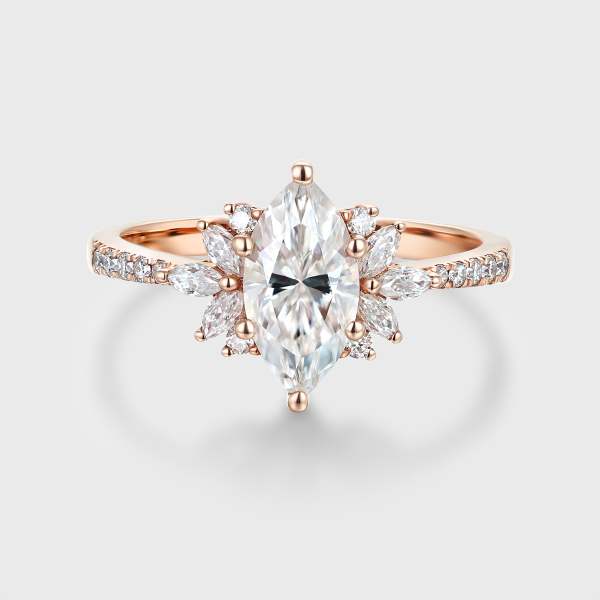
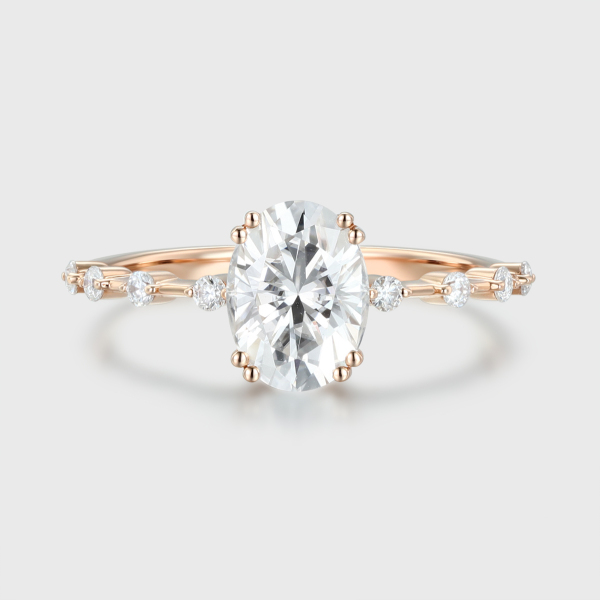
It works well in both simple and detailed designs.Explore moissanite ring designs that combine everyday durability with standout brilliance.



Final Thoughts
Moissanite is not just an alternative to diamond—it’s a gemstone with its own identity.
It offers:
- Exceptional sparkle
- Strong durability
- Accessible pricing
- A modern, lab-created origin
For many people, that combination makes it one of the most practical and appealing choices in today’s jewelry market.
FAQ: Moissanite
Yes. Moissanite is a real gemstone made of silicon carbide, known for its exceptional brilliance and durability.
Yes. Moissanite is highly durable and resistant to scratching, making it suitable for everyday wear and long-term use.
Most people cannot distinguish between them without close inspection or specialized tools, especially in everyday lighting conditions.
No. Moissanite maintains its brilliance over time and only requires occasional cleaning to keep its sparkle.
Yes. Moissanite is significantly more affordable than diamonds of similar size, making it a popular choice for engagement rings.