
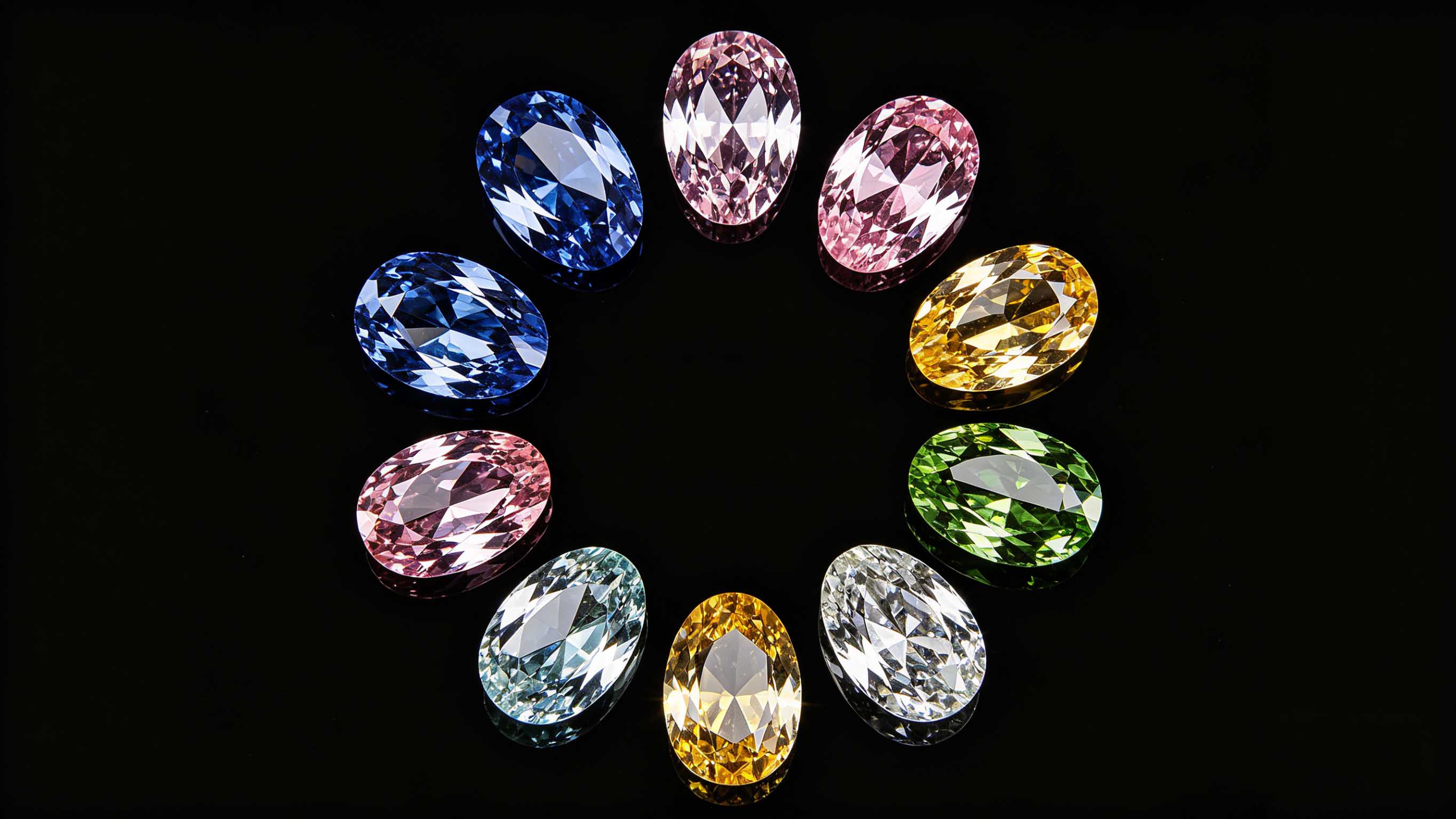
Sapphire has been admired for centuries, but today, it’s becoming something more than a traditional gemstone. For some people, sapphire represents timeless elegance. For others, it feels more personal than a diamond—less expected, more individual, and often easier to wear every day. From deep royal blue engagement rings to modern teal and peach sapphire designs, this gemstone has evolved far beyond its classic image.
But what actually makes sapphire so popular?
Is it the color? The symbolism? The durability? Or the fact that sapphire manages to feel both luxurious and practical at the same time?
The answer is usually a combination of all of them.
Whether you’re considering a sapphire ring, comparing gemstones for everyday wear, or simply curious about why sapphire remains one of the most respected stones in jewelry, understanding the gemstone beyond its appearance makes a big difference.
Quick Navigation
What Is Sapphire?
Why Sapphire Has Become So Popular Again
Sapphire Meaning and Symbolism
Sapphire Colors: More Variety Than Most People Expect
Sapphire Hardness and Durability: Why It Works So Well for Everyday Wear
Does Sapphire Scratch Easily?
Sapphire Clarity: Why Some Stones Look More Brilliant Than Others
Sapphire Refractive Index and Sparkle
Sapphire vs Diamond: What’s the Difference?
What Sapphire Rings Feel Like in Everyday Life
Sapphire Birthstone and Zodiac Meaning
Choosing the Right Sapphire Ring
Final Thoughts
FAQ
What Is Sapphire?
Sapphire is a precious gemstone from the corundum mineral family. While blue sapphire is the best-known variety, sapphire naturally occurs in many different colors, including pink, yellow, green, white, teal, and peach.
The only color corundum cannot be called is red—red corundum is classified as ruby instead.
What makes sapphire especially valuable in jewelry is the balance it offers between:
- Rich, saturated color
- Excellent durability
- Timeless visual appeal
- Everyday wearability
Unlike softer gemstones that require frequent caution, sapphire is widely considered one of the best gemstones for long-term daily wear.
Why Sapphire Has Become So Popular Again
Sapphire has always been respected in fine jewelry, but in recent years, interest in sapphire rings has grown rapidly—especially in engagement jewelry.
Part of that shift comes from people wanting something that feels:
- More personal than traditional diamond rings
- Durable enough for daily life
- Unique without feeling trendy
Alternative sapphire colors, especially teal and pastel sapphires, have also become increasingly popular because they feel softer, less conventional, and easier to personalize. At the same time, sapphire still carries the timeless appeal that makes it feel elegant years later, not just in the moment.

Vintage Oval Cut Blue Sapphire Engagement Ring
Art Deco • Rose Gold • September Birthstone

Topaz and Pink Sapphire Toi Et Moi Ring
Two-Stone • Promise Ring • 14K Gold

2 Carat Emerald Cut Lab-Grown Sapphire Ring
Cluster • Bridal • Art Deco Style

Oval Lab Blue Sapphire Engagement Ring
Minimal • Solitaire • Rose Gold
Sapphire Meaning and Symbolism
Sapphire has long been associated with:
- Wisdom
- Loyalty
- Truth
- Protection
- Emotional stability
Historically, sapphire was worn by royalty and religious figures because it symbolized sincerity and integrity. Today, sapphire is still strongly connected to commitment and trust, which is one reason sapphire engagement rings remain so popular.
Different sapphire colors can also create slightly different emotional impressions:
|
Sapphire Color |
Appearance |
Common Associations |
|
Blue Sapphire |
Classic deep blue |
Loyalty, calmness, wisdom |
|
Pink Sapphire |
Soft romantic pink |
Romance, warmth, femininity |
|
Yellow Sapphire |
Warm golden tones |
Energy, optimism, confidence |
|
Teal Sapphire |
Blue-green blend |
Creativity, individuality |
|
White Sapphire |
Clear/colorless |
Simplicity, clarity |
For many people, sapphire feels meaningful without feeling overly traditional.
Sapphire Colors: More Variety Than Most People Expect
One of the biggest misconceptions about sapphire is that it only comes in dark blue.
In reality, sapphire exists in a surprisingly wide color range.
Blue Sapphire
The most classic and recognizable sapphire color.
Deep blue sapphires tend to feel timeless, elegant, and formal. Lighter blue sapphires often appear softer and more contemporary.
Teal Sapphire
One of the fastest-growing sapphire trends in modern jewelry.
Teal sapphire combines blue and green tones, giving it a more organic and unconventional look compared to traditional blue sapphire.
Pink Sapphire
Pink sapphire rings feel romantic and feminine without being overly delicate.
Many people choose pink sapphire as an alternative to more traditional engagement stones.
Yellow and Peach Sapphire
Warmer sapphire colors often feel artistic, soft, and slightly vintage-inspired.
They’re especially popular in unique or nature-inspired jewelry designs.
White Sapphire
White sapphire offers a clean, colorless appearance and is sometimes chosen as an alternative to diamond.
It tends to feel subtle and understated rather than highly brilliant.
Sapphire Hardness and Durability: Why It Works So Well for Everyday Wear
One of the biggest reasons sapphire remains so popular is durability. Sapphire ranks 9 on the Mohs hardness scale, making it one of the hardest gemstones used in jewelry.
For comparison:
|
Gemstone |
Mohs Hardness |
Overall Wearability |
|
Diamond |
10 |
Excellent |
|
Moissanite |
9.25 |
Excellent |
|
Sapphire |
9 |
Excellent |
|
Emerald |
7.5–8 |
Moderate |
|
Opal |
5.5–6.5 |
Delicate |
In real life, this means sapphire:
- Resists scratches extremely well
- Maintains polish over time
- Handles everyday wear better than many gemstones
Sapphire is widely considered one of the best gemstones for engagement rings because it combines luxury with practicality.
Does Sapphire Scratch Easily?
Not easily.
Compared to most gemstones, sapphire is highly scratch-resistant. Everyday contact with surfaces, clothing, or normal wear usually won’t damage the stone.
However, sapphire is not indestructible. Hard impacts, poor settings, or contact with diamonds can still cause damage over time. Like all fine jewelry, sapphire benefits from reasonable care—even if it’s more durable than most alternatives.
Sapphire Clarity: Why Some Stones Look More Brilliant Than Others
Some sapphires look perfectly clear, while others appear softer or slightly cloudy. This comes down to clarity. Natural sapphires often contain internal inclusions formed during the gemstone’s growth process. Higher clarity sapphires typically reflect more light and appear brighter, while stones with more inclusions may feel deeper or more natural in appearance. Unlike emeralds, where visible inclusions are expected, sapphire is generally valued for cleaner visual appearance and stronger brilliance.
That said, slight natural variation can also make a sapphire feel more unique and authentic.
Sapphire Refractive Index and Sparkle
Sapphire has a refractive index of approximately 1.76–1.77, which helps explain its brightness and color depth.
In simpler terms:
- Sapphire reflects light strongly
- Colors appear saturated and rich
- The stone maintains depth even in lower lighting
Sapphire doesn’t sparkle in the same way diamond does. Instead, it tends to create a smoother, deeper kind of brilliance that many people describe as elegant rather than flashy.
Sapphire vs Diamond: What’s the Difference?
This is one of the most common comparisons people make when shopping for rings.
Diamond
- More brilliance and sparkle
- More traditional for engagement rings
- Extremely durable
Sapphire
- More color personality and uniqueness
- Often feels softer and less conventional
- Available in multiple colors and styles
Diamond tends to feel more classic and bright. Sapphire often feels more personal and expressive. Neither is universally better—it depends on what kind of ring experience you want.
What Sapphire Rings Feel Like in Everyday Life
This is something many gemstone guides overlook. Living with a sapphire ring usually feels easy. You don’t constantly worry about scratching it. It works with both casual and formal outfits. And over time, sapphire tends to maintain its appearance extremely well compared to softer gemstones.
Different sapphire colors can also create very different moods in daily wear:
- Deep blue sapphire feels refined and timeless
- Teal sapphire feels artistic and modern
- Pink sapphire feels softer and romantic
- White sapphire feels subtle and minimal
That flexibility is part of what makes sapphire feel so wearable long term.
Sapphire Birthstone and Zodiac Meaning
Sapphire is the official birthstone for September and has traditionally been associated with wisdom, clarity, and protection.
In zodiac traditions, sapphire is commonly linked with:
- Virgo
- Libra
For many people, sapphire jewelry feels meaningful not only because of appearance, but because of the emotional or symbolic connection attached to the stone.
Choosing the Right Sapphire Ring
Choosing a sapphire ring is about more than selecting a color. The overall experience can change dramatically depending on:
- Stone shape
- Tone saturation
- Ring setting
- Band metal
- Ring profile
For example:
- Deep blue sapphire in white gold often feels classic and formal
- Teal sapphire in yellow gold can feel softer and more organic
- Lighter sapphires may feel more casual and modern for daily wear
Sometimes the smallest design details change how the ring feels once it becomes part of everyday life.

Cluster • Rose Gold • Engagement Ring

Minimal • September Birthstone

Bridal Set • Vintage Style

Nature Inspired • Solid Gold
Final Thoughts
Sapphire has remained one of the world’s most loved gemstones for centuries because it offers something rare: beauty that also feels practical.
It combines:
- Strong symbolism
- Exceptional durability
- Rich color variety
- Long-term wearability
In a way very few gemstones can. Whether you prefer classic deep blue sapphire or a more unconventional color, sapphire tends to feel timeless without feeling predictable—which is exactly why so many people continue to choose it for jewelry they plan to wear for years.
FAQ
Sapphire is traditionally associated with wisdom, loyalty, truth, and emotional stability, making it a meaningful choice for engagement and heirloom jewelry.
Yes. Sapphire is one of the most durable gemstones used in fine jewelry and is highly suitable for everyday wear.
No. Sapphire naturally occurs in many colors, including pink, yellow, teal, white, peach, and more. Blue is simply the most traditional and widely recognized variety.
Not easily. Sapphire ranks 9 on the Mohs hardness scale, making it highly resistant to scratches and ideal for long-term wear.
Sapphire engagement rings are popular because they combine durability, timeless beauty, and unique color options while remaining practical for daily wear.