
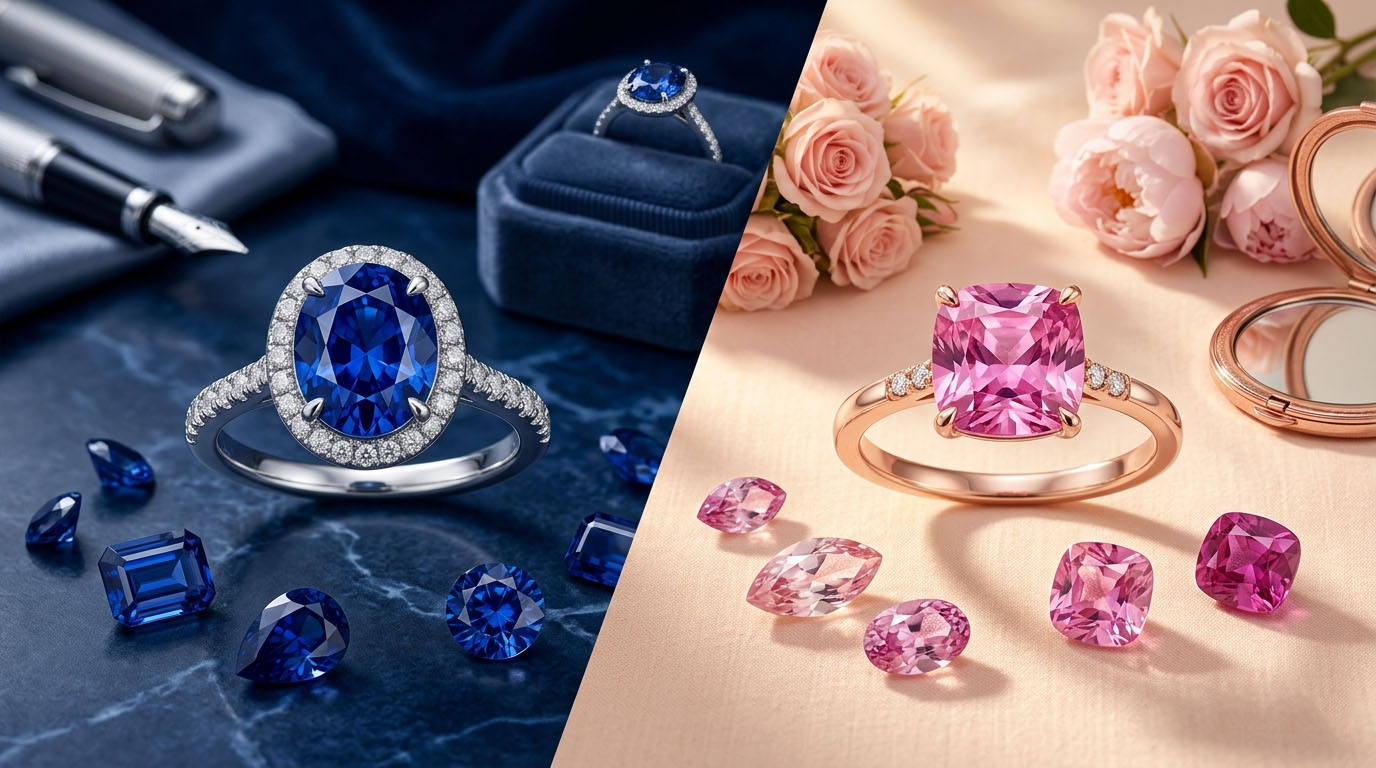
When it comes to colorful engagement rings, few gemstones have the timeless appeal of sapphire. While blue sapphire has long been considered the classic choice, pink sapphire has emerged as one of the fastest-growing alternatives among modern couples.
Both gemstones belong to the same sapphire family and share the same impressive durability, making them excellent choices for everyday wear. Yet once set into a ring, they create completely different impressions. Blue sapphire tends to feel elegant, sophisticated, and enduring, while pink sapphire offers a softer, more romantic, and highly personal aesthetic.
At Oveela Jewelry, blue sapphire and pink sapphire engagement rings continue to be among the most requested colored gemstone styles. From vintage-inspired settings to nature-inspired designs and modern solitaires, both colors offer unique advantages depending on your personal style, wardrobe, and long-term preferences.
Blue Sapphire vs Pink Sapphire: Quick Comparison
|
Feature |
Blue Sapphire |
Pink Sapphire |
|
Overall Appearance |
Classic & sophisticated |
Soft & romantic |
|
Popular Style |
Timeless luxury |
Modern femininity |
|
Best Metal Pairings |
White Gold, Platinum |
Rose Gold, Yellow Gold |
|
Visual Impact |
Strong contrast |
Gentle glow |
|
Fashion Trend |
Consistently popular |
Rapidly growing |
|
Vintage Appeal |
Excellent |
Moderate |
|
Everyday Versatility |
Very high |
High |
|
Personality |
Elegant & refined |
Expressive & unique |
Although both gemstones belong to the same mineral family, their visual personalities are surprisingly different. Choosing between them often comes down to how you want your ring to feel every time you look at your hand.
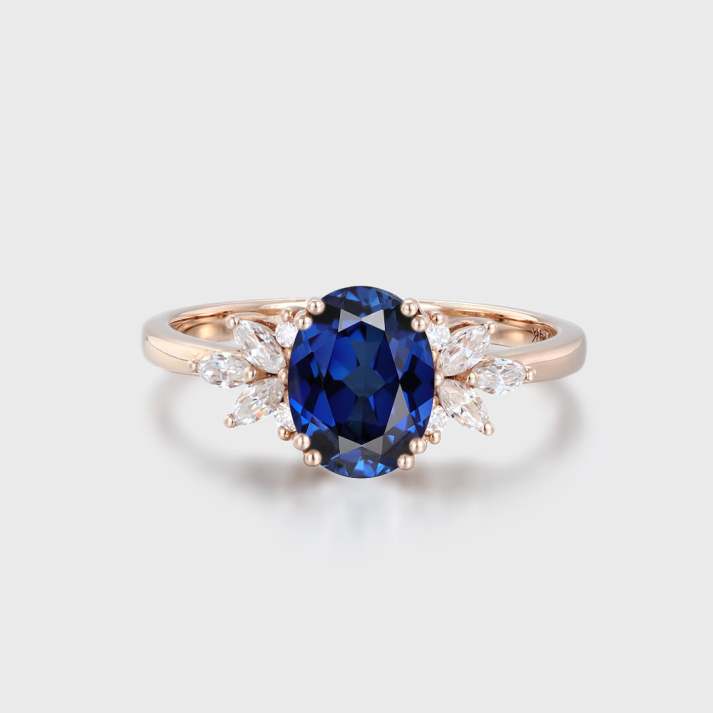
Vintage Oval Cut Blue Sapphire Engagement Ring 14k Rose Gold Unique Art Deco September Birthstone Ring for Women
From $286

Topaz and Pink Sapphire Toi Et Moi Ring – 14K Gold Two-Stone Birthstone Promise Ring for Women
From $268
Why Blue Sapphire Remains a Timeless Favorite
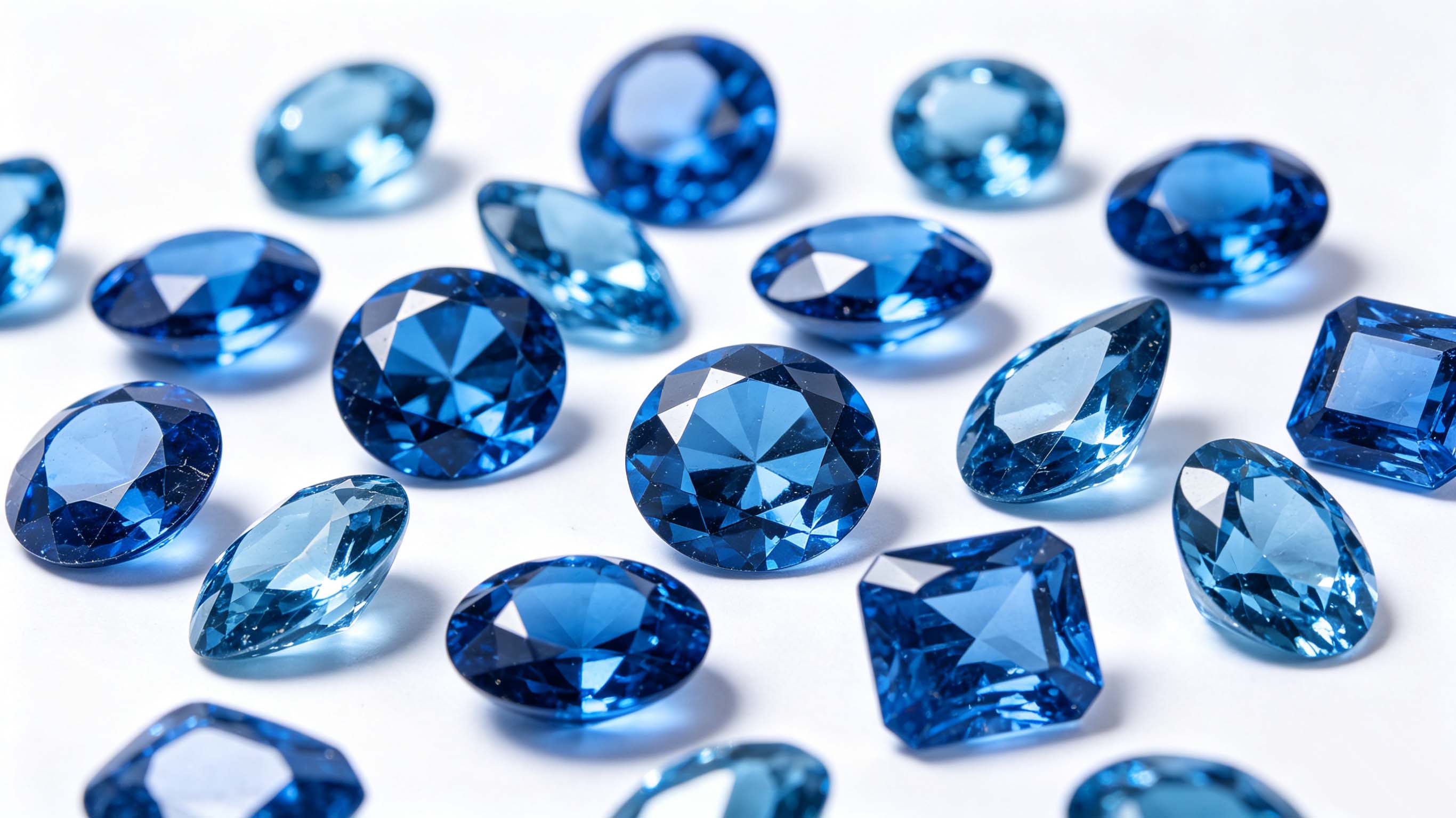
Blue sapphire has been associated with royalty, commitment, and sophistication for centuries. Its deep color creates dramatic contrast against diamonds and precious metals, giving rings a refined appearance that rarely feels tied to changing fashion trends.
One reason blue sapphire continues to remain so popular is its versatility. It looks equally beautiful in a minimalist solitaire, an elaborate vintage setting, or a modern three-stone engagement ring. The rich saturation naturally draws attention without appearing overly flashy.
Many people who gravitate toward blue sapphire tend to prefer classic jewelry collections, neutral wardrobes, and pieces that will still look elegant decades from now. Because of its long-standing place in fine jewelry history, blue sapphire often feels more traditional and heirloom-worthy than other colored gemstones.
It also pairs exceptionally well with platinum and white gold, creating a crisp and luxurious appearance that works effortlessly in both casual and formal settings.
Why Pink Sapphire Has Become So Popular
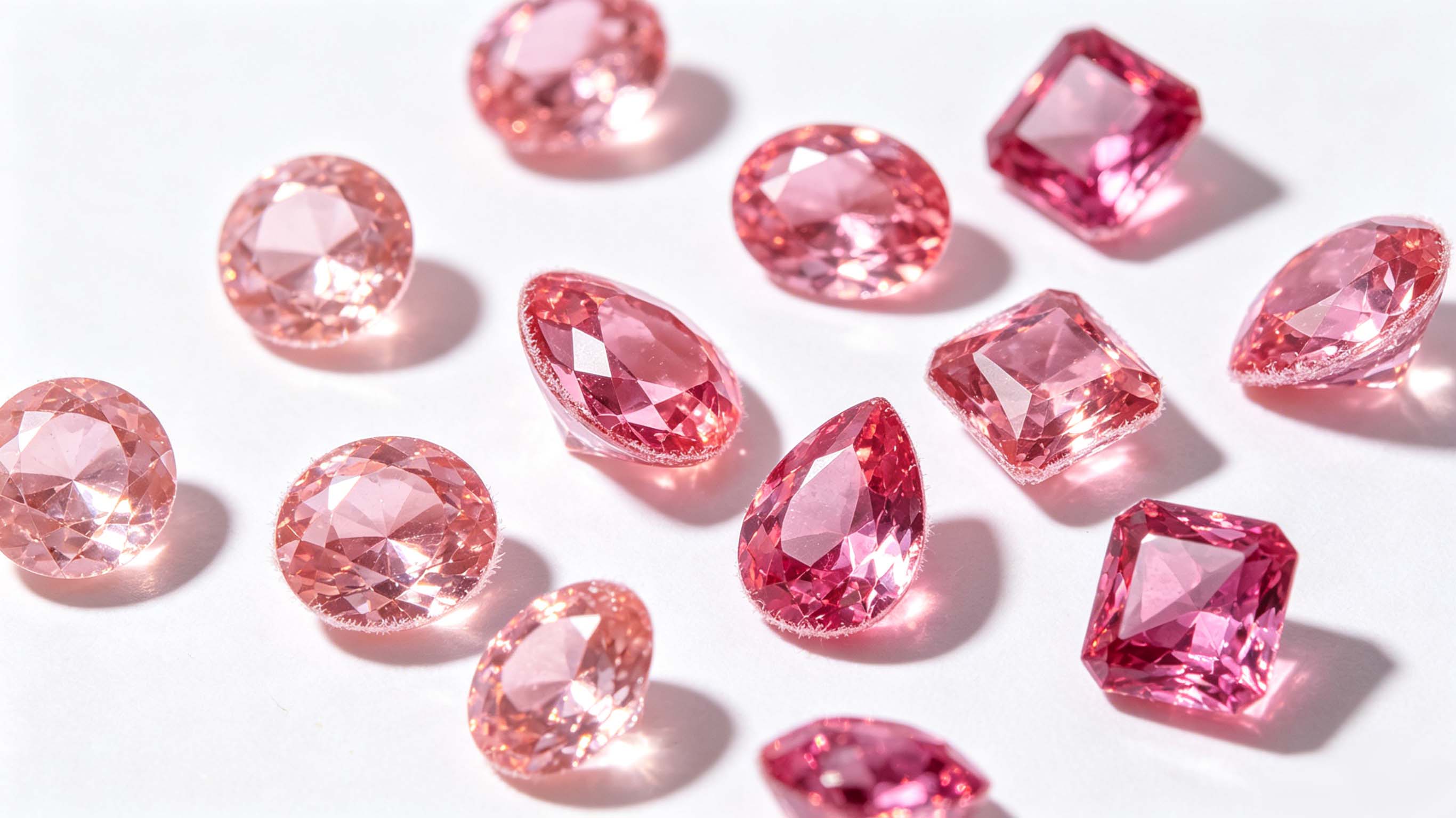
Pink sapphire offers an entirely different kind of beauty. Instead of dramatic contrast and depth, pink sapphire creates warmth, softness, and a more romantic overall appearance. Many modern couples are drawn to pink sapphire because it feels less traditional than blue sapphire while remaining durable enough for everyday wear.
The growing popularity of pink sapphire also reflects broader engagement ring trends. Today's buyers often want rings that feel personal rather than conventional. Pink sapphire provides color without being overly bold, making it an attractive option for those seeking something distinctive yet elegant.
Rose gold has played a major role in the rise of pink sapphire engagement rings. Together, the two create a harmonious, feminine look that feels modern without appearing trendy. Nature-inspired rings, floral settings, and delicate vintage designs often look especially beautiful when paired with pink sapphire center stones.
Another advantage is that pink sapphire tends to feel lighter and brighter on the hand. Many wearers appreciate how the gemstone reflects light and creates a soft glow that complements everyday styling.
Which Sapphire Looks Better on the Hand?
The answer depends less on the gemstone itself and more on personal styling preferences.
Blue sapphire creates stronger visual definition. The darker color naturally stands out against the skin, giving the ring a more structured and luxurious appearance. This makes blue sapphire particularly appealing for people who enjoy bold center stones, clean contrasts, and timeless jewelry designs.
Pink sapphire offers a softer visual effect. Rather than drawing attention through contrast, it blends harmoniously with warm-toned metals and creates a delicate, romantic look. In certain lighting conditions, lighter pink sapphires can even appear larger because they reflect more light across the surface of the stone.
For those with cooler skin tones, blue sapphire often feels especially flattering. Pink sapphire tends to complement warmer skin tones beautifully, although personal preference should always outweigh general styling guidelines.
The shape of the gemstone can also influence the final appearance. Oval, pear, and elongated cushion cuts often enhance the elegance of blue sapphire, while pink sapphire shines in oval, round, and floral-inspired settings.
Blue Sapphire vs Pink Sapphire Price Comparison
Price is another important factor when choosing between sapphire colors.
For natural gemstones, blue sapphires are generally more expensive than pink sapphires. High-quality royal blue sapphires remain some of the most sought-after colored gemstones in the jewelry industry, which naturally increases their value.
Typical Natural Sapphire Pricing
|
Type |
Estimated Price Range |
|
Natural Blue Sapphire Rings |
$800 – $10,000+ |
|
Natural Pink Sapphire Rings |
$500 – $5,000+ |
The exact price depends on color saturation, clarity, origin, treatment history, and stone size.
Fortunately, lab-created sapphires have made both colors far more accessible. Because lab sapphires share the same physical and chemical properties as natural sapphires, many couples choose them to maximize stone size and design possibilities without dramatically increasing their budget.
Typical Lab Sapphire Pricing
|
Type |
Estimated Price Range |
|
Lab Blue Sapphire Rings |
$200 – $1,500+ |
|
Lab Pink Sapphire Rings |
$200 – $1,200+ |
For buyers who love larger center stones, vintage-inspired halos, or intricate custom designs, lab-created sapphires often provide exceptional value.
Which Sapphire Is Easier to Wear Every Day?
Both blue sapphire and pink sapphire rank 9 on the Mohs hardness scale, making them among the most durable gemstones available for engagement rings. From a durability standpoint, there is virtually no difference between them. The real distinction comes down to styling flexibility.
Blue sapphire tends to pair effortlessly with a wider variety of outfits and jewelry styles. It works beautifully with white metals, yellow gold, business attire, casual clothing, and formal occasions alike. Many people appreciate that blue sapphire feels elegant without requiring special styling considerations.
Pink sapphire offers more personality and warmth. It pairs naturally with rose gold jewelry, romantic fashion styles, and softer color palettes. While still versatile, it often feels slightly more fashion-oriented than blue sapphire.
For someone seeking a ring that complements nearly every outfit, blue sapphire may be the safer choice. For someone wanting a gemstone that feels distinctive and expressive, pink sapphire can be incredibly rewarding.
Natural vs Lab Sapphire: Does Color Affect the Decision?
Interestingly, many buyers approach natural and lab-created sapphires differently depending on color. Blue sapphire has a long history in fine jewelry, and some buyers feel emotionally connected to the idea of owning a natural stone because of its rarity and traditional significance. Pink sapphire buyers are often more open to lab-created options because the appeal frequently lies in the color and overall design rather than the rarity of the gemstone itself.
At Oveela Jewelry, both natural and lab-created sapphires remain popular choices. The decision ultimately depends on whether you prioritize rarity, budget flexibility, or maximizing design possibilities.
Which Sapphire Color Is Right for You?
Blue sapphire and pink sapphire are both beautiful, durable, and meaningful gemstones. Neither is objectively better—the right choice depends entirely on your personal style.
Choose blue sapphire if you love timeless elegance, vintage-inspired jewelry, strong visual contrast, and classic luxury that never feels out of place.
Choose pink sapphire if you prefer softer colors, romantic aesthetics, warm-toned jewelry, and a ring that feels unique and expressive without sacrificing durability.
The best engagement ring is not necessarily the rarest gemstone or the most expensive design. It's the one that feels like an extension of your personality every time you wear it. Whether you're drawn to the enduring sophistication of blue sapphire or the romantic charm of pink sapphire, both gemstones offer a beautiful alternative to traditional diamond engagement rings and can become treasured pieces for a lifetime.
Frequently Asked Questions
Pink sapphire has grown significantly in popularity over recent years, particularly in rose gold engagement rings. However, blue sapphire remains the more established and timeless choice.
Blue sapphire is traditionally associated with luxury and royalty, giving it a more classic high-end appearance. Pink sapphire offers a softer and more modern interpretation of luxury.
Yes. Pink sapphire ranks 9 on the Mohs hardness scale, making it highly suitable for daily wear and engagement rings.
In most cases, high-quality natural blue sapphires are more expensive due to stronger market demand and rarity. Lab-created options reduce the price difference significantly.
Yes. Both gemstones are varieties of corundum and share identical hardness and durability characteristics.
Pink sapphire and rose gold create one of the most popular and harmonious combinations in modern engagement ring design, though blue sapphire can also create beautiful contrast in rose gold settings.