
Buying a ring without knowing the exact size can feel risky—especially if it’s a surprise or an online purchase.
But the truth is, you can get very close to the correct ring size without ever stepping into a jewelry store—if you use the right methods.
This guide walks you through the most reliable ways to figure out ring size at home, what mistakes to avoid, and how to make sure your final choice still works comfortably.
Ring Size Guide: Measure Without Trying It On
- Can You Measure Ring Size Without Trying It On?
- Method 1: Measure a Ring They Already Wear
- Method 2: Use a String or Paper Strip
- Method 3: Use a Printable Ring Size Chart
- Method 4: Estimate Based on Average Ring Sizes
- Real-Life Factors That Affect Ring Size
- How a Ring Should Actually Fit
- Common Mistakes to Avoid
- What If You Still Get the Wrong Size?
- Where to Be More Careful
- Where to Start When Buying Online
- Final Thoughts
- FAQ
Can You Measure Ring Size Without Trying It On?
Yes. The most accurate ways to estimate ring size without trying it on include:
- Measuring a ring they already wear
- Using a printable ring size chart
- Measuring finger circumference with string or paper
- Estimating based on average sizes
The best method is always using an existing ring—it’s the closest to a perfect match.
Method 1: Measure a Ring They Already Wear
If you have access to a ring they already wear (especially on the correct finger), this is your best option.
How to do it:
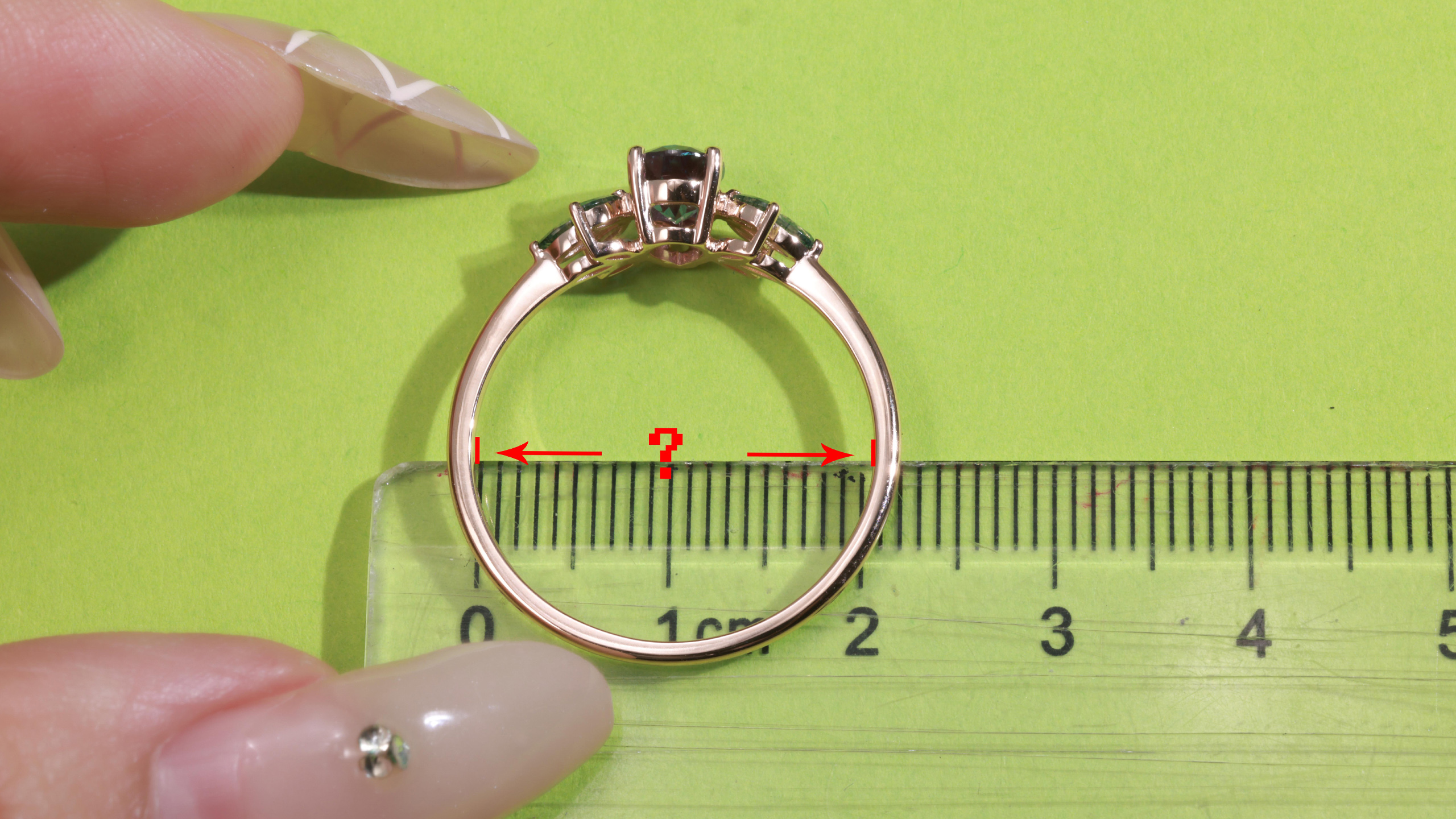
- Place the ring on a flat surface
- Measure the inner diameter(in millimeters)
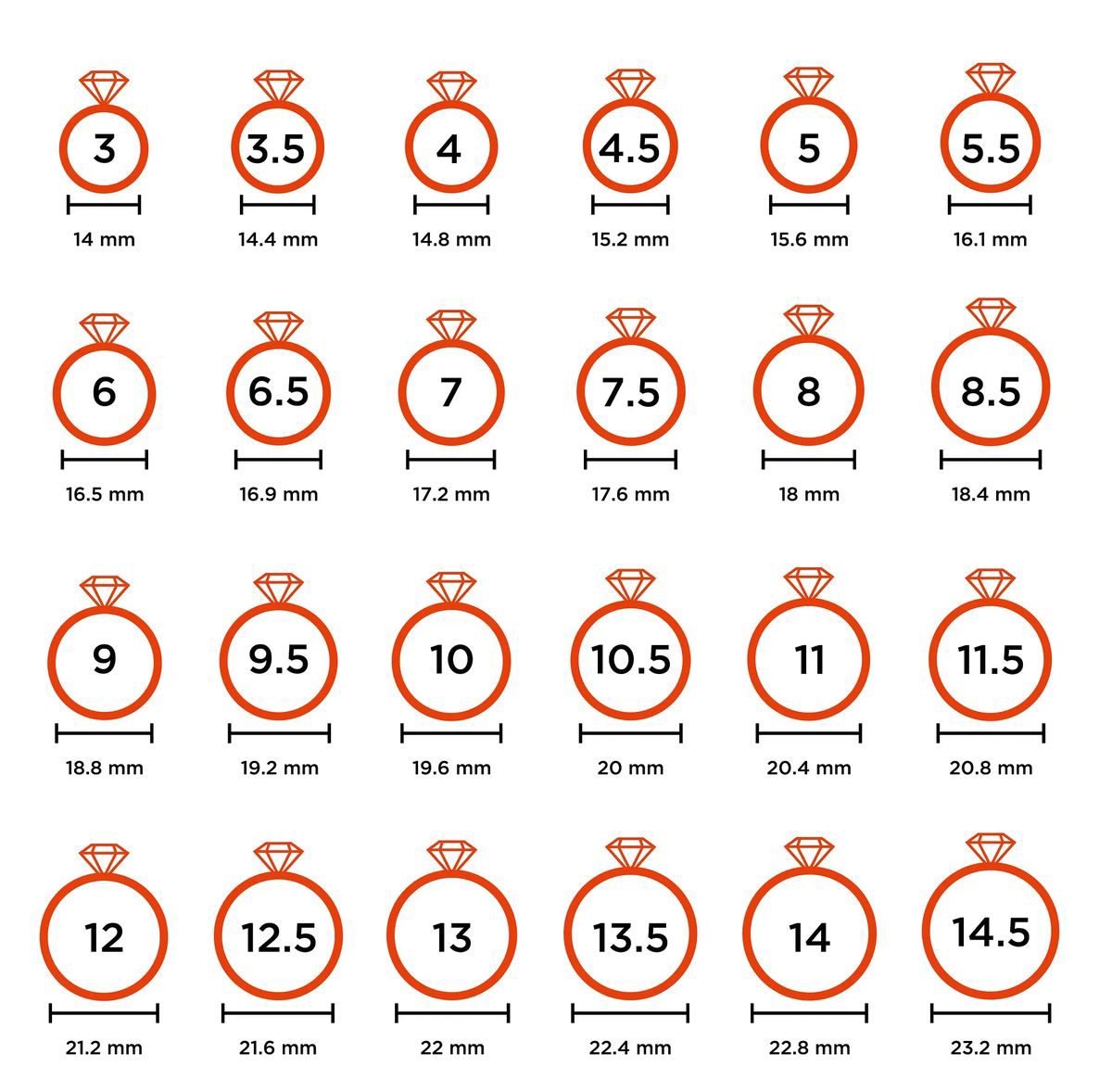
- Match it to a standard ring size chart
Why this works:
- It reflects actual wear preference
- No guessing involved
- More accurate than finger measurement
Method 2: Use a String or Paper Strip
This is a common at-home method when you don’t have an existing ring.
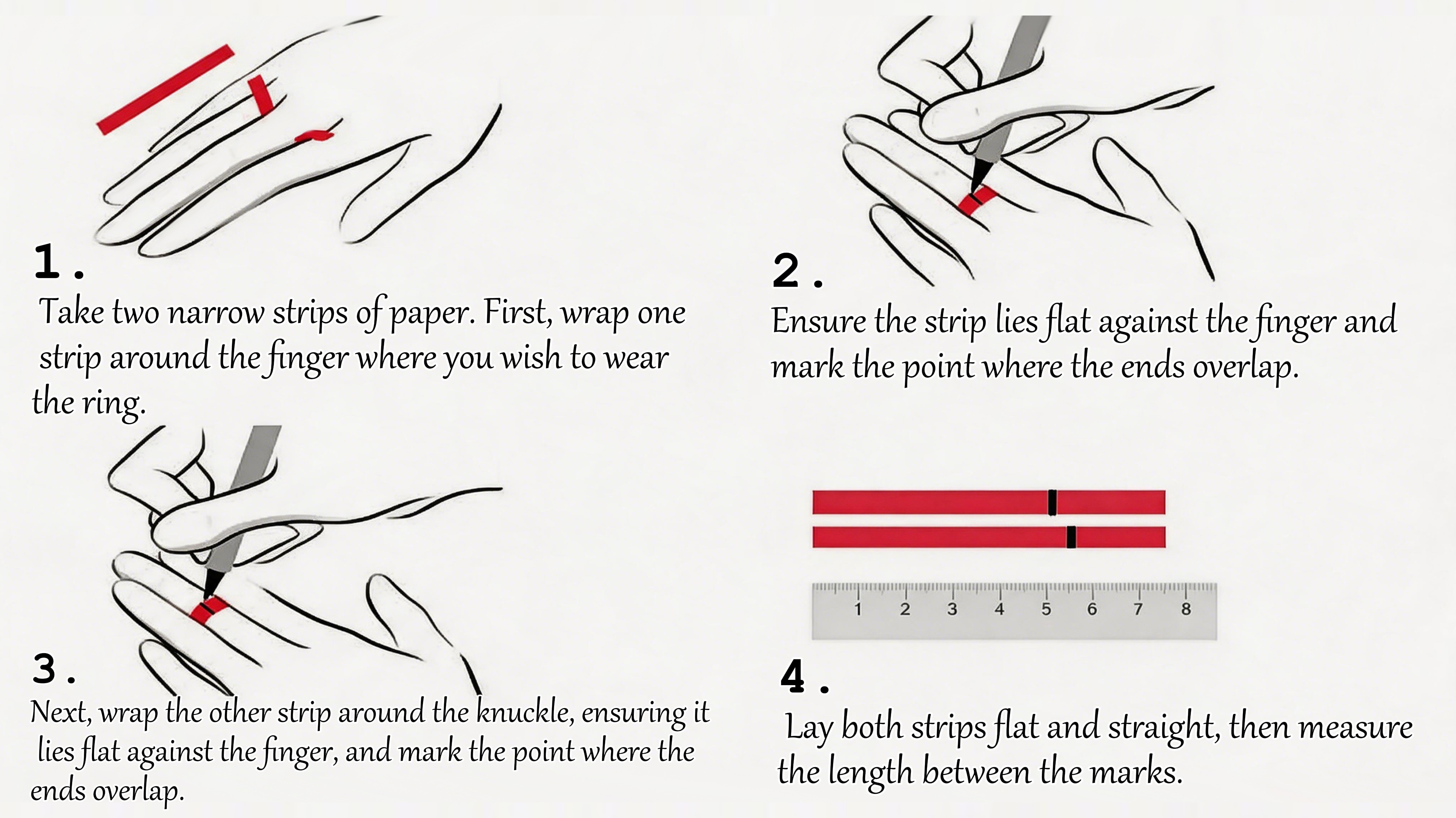
Steps:
- Wrap a thin strip of paper or string around the finger
- Mark where it overlaps
- Measure the length (in mm)
- Convert it using a ring size chart
Important tips:
- Don’t pull too tight
- Measure at the end of the day (fingers expand)
- Repeat 2–3 times for accuracy
This method is simple, but slightly less precise than using a real ring.
Method 3: Use a Printable Ring Size Chart
Many online stores provide printable ring size guides.
How it works:
- Print the chart at 100% scale
- Place a ring over the circles
- Find the closest match
Common mistake:
Printing at the wrong scale will ruin accuracy.
Always double-check the scale reference (usually a ruler printed on the page).
Method 4: Estimate Based on Average Ring Sizes
If you can’t measure directly, estimation is your fallback.
Common US ring sizes:
- Women: size 5–7 (most common: 6–7)
- Men: size 8–10 (most common: 9)
This is useful for surprise gifts—but should always include a resize plan.
Real-Life Factors That Affect Ring Size
Many people assume ring size is fixed—but it actually changes depending on conditions.
Temperature
- Fingers swell in heat
- Shrink in cold
Time of day
- Slightly larger in the evening
- Smaller in the morning
Lifestyle
- Active hands may have thicker knuckles
- Water retention can affect fit
That’s why measuring more than once is important.
How a Ring Should Actually Fit
A properly sized ring should:
- Slide on easily
- Require slight resistance when coming off
- Not spin excessively
- Not feel tight or uncomfortable
The goal is balance—not too loose, not too tight.
Common Mistakes to Avoid
- Measuring only once
- Pulling the string too tight
- Ignoring knuckle size
- Using incorrect chart scale
- Guessing without any reference
These small errors are the main reason people end up with the wrong size.
What If You Still Get the Wrong Size?
Even with careful measurement, slight adjustments are normal.
The good news:
- Most rings can be resized
- Small size differences are easy to fix
- Many jewelers offer resizing services
Where to Be More Careful
Some ring styles are harder to resize:
- Full eternity bands
- Certain pavé designs
- Rings with complex structures
If you’re unsure about size, simpler designs are more forgiving.
Where to Start When Buying Online
Once you’ve estimated the size, you can confidently explore different ring styles. Many people start by browsing curated collections from Oveela Jewelry, where different styles and ring settings can be compared more easily while keeping sizing in mind.
If you find a design you like but it doesn’t feel like a perfect match yet, there’s also flexibility to make adjustments through customization. Some people choose to refine details such as stone type, setting style, or proportions so the ring better reflects their personal preference.


Final Thoughts
You don’t need a jewelry store to find the right ring size—you just need a reliable method and a bit of patience.
If possible, measure an existing ring. If not, use multiple methods and compare results. A small margin of error is normal—and fixable. What matters most is getting close enough to feel confident in your choice.
FAQ: Ring Size Measurement
Yes. You can estimate your ring size at home using an existing ring, a string or paper method, or a printable ring size chart. Using a ring you already wear is usually the most accurate option.
It’s generally safer to choose the larger size for better comfort, especially if your fingers tend to swell during the day.
The string method can give a rough estimate, but it is less precise than measuring an existing ring or using a professional sizing tool.
Yes. Ring sizing systems vary between regions such as the US, UK, and EU, so it’s important to use the correct conversion chart when ordering.
Most rings can be resized, but some styles—such as eternity bands or rings with intricate settings—can be more difficult or limited in adjustment.