
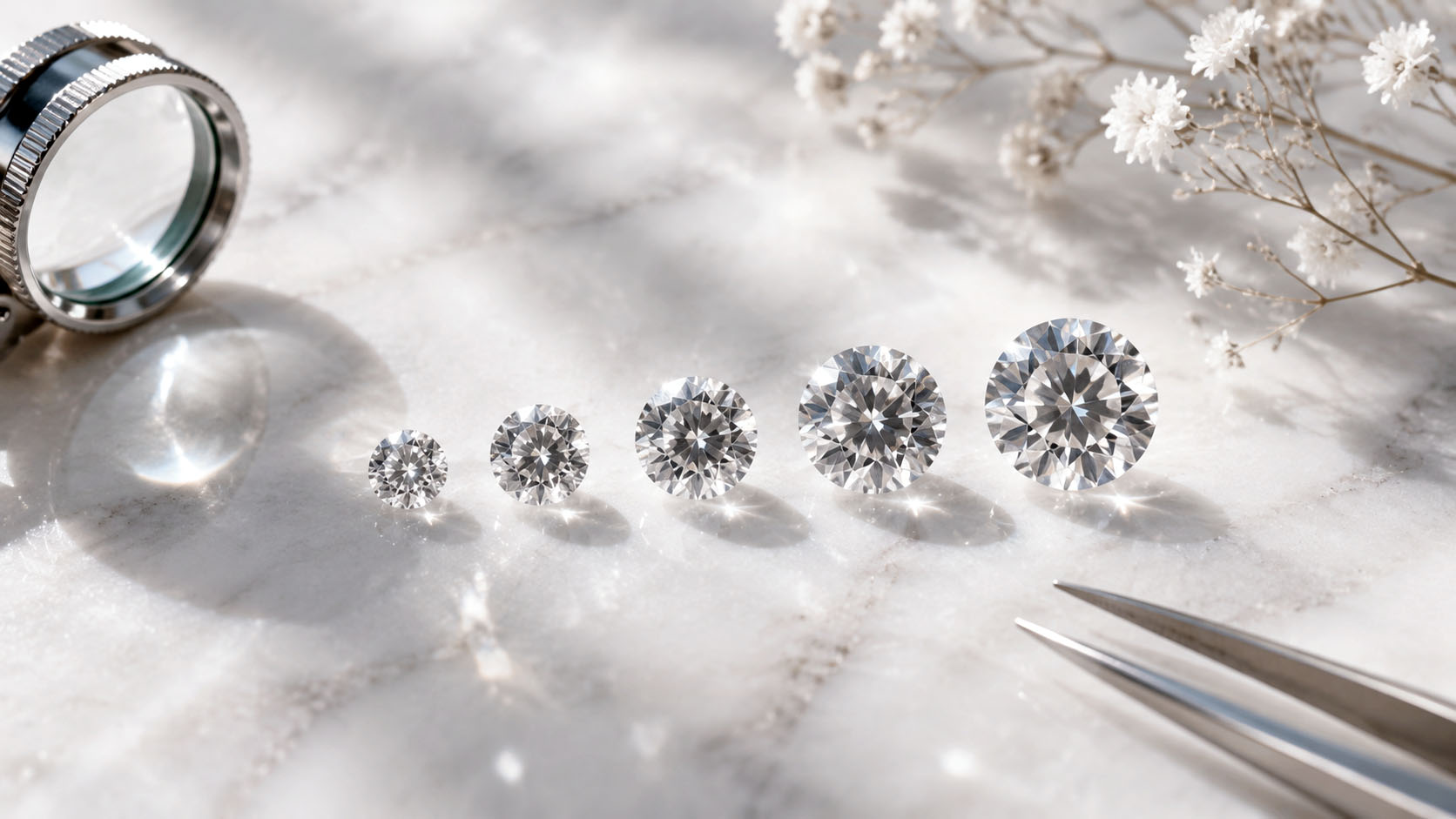
Buying a diamond is an exciting decision, but understanding quality grades can feel confusing. Among the most important factors to learn about is clarity. This Lab Grown Diamond Clarity Guide explains how clarity works, what different grades mean, and how to choose the right option for your jewelry and budget.
Lab grown diamonds have become increasingly popular because they offer the same physical, chemical, and optical properties as mined diamonds while providing another option for modern buyers. However, just like natural diamonds, lab created diamonds vary in quality. Clarity plays a major role in determining how clean a diamond appears and how much value it offers.
A smart buyer does not always need the highest clarity grade available. Instead, the goal is to find a diamond that looks beautiful to the eye while offering a reasonable price. Understanding clarity grades helps you make a confident choice.
Understanding Lab Grown Diamond Clarity
Diamond clarity refers to the presence of internal characteristics called inclusions and external features called blemishes. These natural characteristics develop during the diamond formation process and are examined when a diamond receives its official grade.
For lab grown diamonds, experts use the same clarity grading concepts used for mined diamonds. Professional gemological laboratories examine diamonds under magnification to identify clarity characteristics and assign a grade.
The clarity grade can influence:
- Overall appearance
- Diamond price
- Rarity
- Buyer confidence
- Long-term value perception
A diamond with excellent clarity usually has fewer visible imperfections. However, clarity is only one part of diamond beauty. Cut quality, color, shape, and size also affect how impressive a diamond looks.
Reliable grading organizations such as Gemological Institute of America (GIA) provide detailed information about diamond evaluation standards and grading practices.
What Diamond Clarity Means in Gemology
When gemologists examine a diamond, they look for two main categories of characteristics:
Inclusions Inside the Diamond
Inclusions are internal features found within the diamond structure. Examples include:
- Tiny crystals
- Clouds
- Internal lines
- Small fractures
- Growth patterns
Many inclusions cannot be seen without magnification. A diamond may still appear completely clean when viewed normally.
Blemishes on the Diamond Surface
Blemishes are external characteristics that appear on the surface. They may result from the cutting process, handling, or polishing.
Common blemishes include:
- Small scratches
- Surface marks
- Minor polishing features
The number, size, location, and visibility of these characteristics determine the final clarity grade.
How Lab Created Diamonds Receive Clarity Grades
Lab grown diamonds are created using advanced technology that recreates the conditions required for diamond formation. During this process, small characteristics can develop, just as they do in natural diamonds.
After creation and cutting, diamonds are carefully examined by trained professionals. The grader evaluates:
- The number of inclusions
- The size of imperfections
- Their position within the diamond
- How easily they can be seen
- Their effect on overall appearance
The final clarity grade is recorded on a grading report, helping buyers compare different diamonds more easily.
The Lab Grown Diamond Clarity Scale Explained
The standard clarity scale includes several categories ranging from extremely rare diamonds with no visible characteristics under magnification to diamonds with noticeable inclusions.
|
Clarity Grade |
General Description |
|
FL (Flawless) |
No inclusions or blemishes visible under magnification |
|
IF (Internally Flawless) |
No internal inclusions visible under magnification |
|
VVS1/VVS2 |
Extremely difficult-to-see inclusions |
|
VS1/VS2 |
Minor inclusions that are usually invisible to the naked eye |
|
SI1/SI2 |
Noticeable inclusions under magnification, sometimes visible |
|
I1/I2/I3 |
More obvious inclusions that may affect appearance |
Most buyers do not need the highest clarity category. Many beautiful diamonds fall within the VS and VVS ranges because they provide a strong combination of appearance and affordability. At OVEELA Jewelry, our lab grown diamonds are carefully selected for their beauty and quality, with many options featuring excellent clarity grades and IGI certification to provide customers with confidence in their diamond’s characteristics.
Flawless and Internally Flawless Diamonds
Flawless and Internally Flawless diamonds represent the highest clarity levels. These diamonds have exceptional purity and are very rare.
A Flawless diamond has no visible inclusions or blemishes under professional magnification. An Internally Flawless diamond may have minor surface features but no internal inclusions.
While these grades are impressive, they often come with a premium price. For many jewelry buyers, the visual difference between these grades and slightly lower grades may not be noticeable in everyday wear.
Very Very Slightly Included and Very Slightly Included Grades
VVS and VS diamonds are often popular choices because they provide excellent visual quality.
VVS diamonds contain extremely tiny inclusions that are difficult for trained graders to detect. VS diamonds contain slightly larger characteristics, but they are commonly eye-clean, meaning no imperfections are visible without magnification.
For many engagement rings and fine jewelry pieces, these grades offer an ideal balance between beauty and cost.
Slightly Included and Included Diamonds
SI diamonds can provide excellent value when carefully selected. Some SI diamonds appear completely clean to the naked eye, especially when the inclusions are small or positioned away from important visual areas.
Included diamonds have characteristics that are easier to see and may affect transparency or brilliance. These grades can be suitable for buyers with specific budget goals, but careful inspection is important.
Lab Grown Diamond Clarity Guide: Choosing the Best Grade
The best clarity grade depends on your priorities. Instead of automatically choosing the highest grade, consider how the diamond will look in the final jewelry piece.
A practical approach is:
- Choose eye-clean diamonds whenever possible.
- Prioritize cut quality for maximum sparkle.
- Consider the diamond shape before selecting clarity.
- Compare several stones within your budget.
For many buyers, a VS1 or VS2 clarity diamond provides excellent beauty without paying for microscopic differences.
Consider Your Diamond Shape and Cut Quality
Diamond shape affects how easily inclusions can be noticed. Some shapes hide imperfections better than others.
For example:
- Round diamonds often hide minor inclusions because of their brilliant sparkle.
- Emerald and Asscher cuts may reveal inclusions more easily because of their larger, open facets.
- Oval, pear, and cushion shapes can sometimes provide a balance between appearance and value.
Cut quality is especially important because it controls how light moves through the diamond. A well-cut diamond with slightly lower clarity can often appear more beautiful than a poorly cut diamond with a higher clarity grade.
Match Clarity With Your Budget
One of the smartest ways to shop for a diamond is to balance clarity with budget. Many buyers assume they need the highest possible grade, but that is not always the best use of money.
If your budget is limited, it may be better to choose:
- A slightly lower clarity grade
- A better cut
- A larger carat size
- A more flattering shape
This approach often creates a diamond that looks more impressive overall. Since clarity differences are often invisible without magnification, paying extra for a microscopic improvement may not always be worthwhile.
Why Higher Clarity Is Not Always Better
Higher clarity grades are desirable, but they are not always the most practical choice. A diamond with flawless clarity but weak cut quality may not sparkle as beautifully as a diamond with slightly lower clarity and excellent cut.
In real-world wear, most people notice brilliance, fire, and sparkle before they notice tiny inclusions. That is why many experienced buyers focus on the overall appearance rather than chasing the highest clarity grade.
A good rule of thumb is to buy the best-looking diamond within your budget, not simply the highest graded one.
Factors That Influence Lab Grown Diamond Appearance
Clarity is important, but several other factors affect how a diamond looks once it is set in jewelry.
Cut Quality and Brilliance
Cut quality has one of the biggest effects on beauty. A well-cut diamond reflects light efficiently, creating sparkle and brightness that can help mask minor inclusions.
Diamond Size and Inclusion Visibility
As diamonds get larger, inclusions may become easier to see. This is because there is more surface area and more room for internal characteristics to appear.
Color and Transparency
Color can also influence how noticeable inclusions are. In some cases, a slightly warmer or cooler tone may affect the way imperfections appear to the eye.
Setting Style
The jewelry setting can help hide or highlight clarity characteristics. For example, prong placement, halo designs, and bezel settings may influence how visible certain features are.
Best Clarity Choices for Different Jewelry Styles
Different jewelry styles may call for different clarity priorities.
Engagement Rings
For engagement rings, many buyers choose VS1, VS2, or even select SI1 diamonds if they are eye-clean. Since rings are worn daily and viewed up close, clarity should be balanced with sparkle and durability.
Earrings
Earrings are often viewed from a distance, so slightly lower clarity grades may still look excellent. Buyers may be able to save money here without sacrificing beauty.
Pendants and Necklaces
Necklaces are usually seen from farther away than rings, which means clarity can sometimes be less critical. A well-cut diamond with a good visual appearance may be the best choice.
Statement Jewelry
For larger or more decorative pieces, appearance and design may matter more than top-tier clarity. The right balance depends on the overall style of the jewelry.
Common Mistakes When Buying Lab Grown Diamonds
Buying a diamond can be overwhelming, and some common mistakes can lead to disappointment.
Choosing Clarity Without Reviewing Certification
Always check the grading report. A trusted certificate helps confirm the diamond’s actual quality and gives you a reliable basis for comparison.
Overpaying for Invisible Improvements
Some buyers pay a large premium for a clarity grade difference that cannot be seen without magnification. In many cases, that money could be better spent on cut quality or size.
Ignoring the Diamond Shape
Not all shapes hide inclusions equally well. Choosing clarity without considering shape can lead to unnecessary spending.
Focusing Only on the Grade
A clarity grade alone does not tell the full story. Two diamonds with the same grade can look different depending on inclusion type, location, and overall cut.
Expert Tips for Picking the Right Lab Grown Diamond Clarity
Here are some practical tips to help you choose wisely:
- Look for eye-clean diamonds first.
- Review the diamond under magnification if possible.
- Ask where the inclusions are located.
- Compare diamonds with similar cut quality.
- Do not overpay for a grade that offers no visible benefit.
- Consider how the diamond will look once mounted in jewelry.
If you are unsure, VS2 is often a safe and balanced choice for many buyers. It usually offers strong visual quality without the premium cost of top-tier grades.
How to Read a Diamond Grading Report
A grading report gives important details about the diamond’s quality. When reviewing clarity, pay attention to:
- The clarity grade
- The type of inclusions listed
- The location of inclusions
- Any comments about surface features
- The laboratory that issued the report
Some reports include a plotted diagram showing where inclusions are located. This can help you understand whether the imperfections are likely to be visible in normal viewing conditions.
Conclusion: Making a Confident Clarity Decision
Choosing the right diamond clarity does not have to be complicated. The key is to understand how clarity affects appearance, value, and overall beauty. With lab grown diamonds, buyers have more flexibility to find a stone that looks stunning without overspending.
This Lab Grown Diamond Clarity Guide shows that the best choice is often not the highest grade, but the one that offers the best balance of eye-clean appearance, cut quality, and budget. By reviewing the grading report, considering the diamond shape, and focusing on real-world beauty, you can make a confident and informed purchase.
If you want a diamond that looks elegant and offers excellent value, start by comparing eye-clean stones in the VS range and evaluate each one based on its overall appearance. That approach will help you choose a diamond you can enjoy for years to come.
FAQs About Lab Grown Diamond Clarity
Yes. The same clarity grading principles are used for both lab grown and natural diamonds. The difference is in how the diamonds are formed, not how clarity is evaluated.
For many buyers, VS1 or VS2 offers the best balance of beauty and value. These grades are often eye-clean and more affordable than higher clarity options.
Yes. Some SI diamonds are eye-clean and can look excellent, especially when the inclusions are small or well hidden.
No. Higher clarity is not always necessary. Cut quality, shape, and budget should also guide your decision.
Clarity can influence sparkle if inclusions interfere with light performance, but cut quality usually has a much bigger effect on brilliance.