
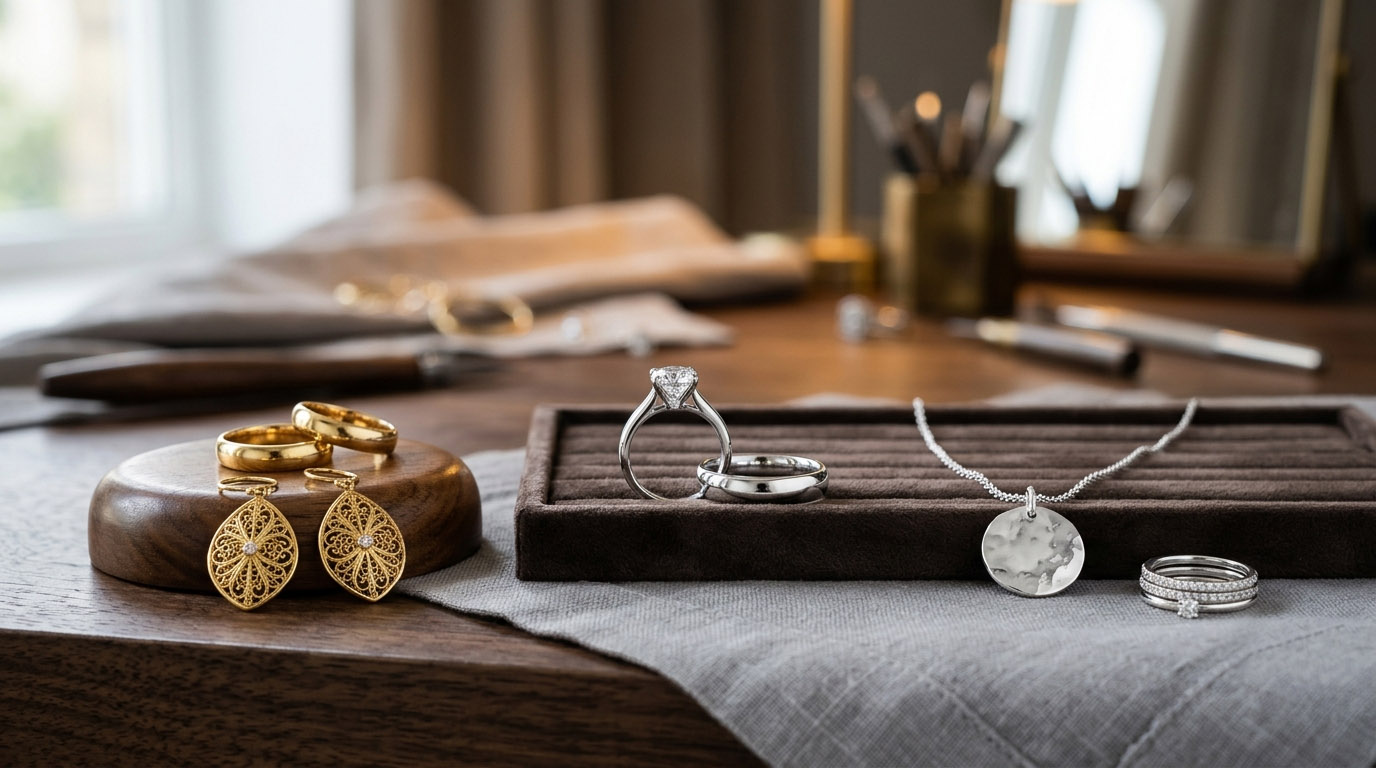
Choosing the right metal is one of the most important decisions when buying jewelry. The metal affects the piece’s appearance, durability, maintenance needs, price, comfort, and even how well it suits your lifestyle. Whether you are shopping for an engagement ring, wedding band, necklace, bracelet, earrings, or a meaningful gift, understanding the differences between precious metals helps you make a confident and lasting choice.
Gold, platinum, and silver have been treasured for centuries because of their beauty, rarity, and versatility. Each metal offers a different balance of elegance, strength, and affordability. Some buyers are drawn to gold for its timeless warmth, others prefer platinum for its prestige and durability, while many choose silver for its accessible price and classic shine.
When comparing Gold vs. Platinum vs. Silver: Choosing the Perfect Metal for Your Jewelry, it is important to look beyond appearance. A beautiful piece should also match your daily routine, budget, skin sensitivity, and long-term expectations. The best jewelry metal is not always the most expensive one—it is the one that fits your needs best.
Why Metal Choice Matters for Jewelry Buyers
Jewelry is often tied to meaningful moments in life, from engagements and anniversaries to birthdays, graduations, and personal milestones. Because many pieces are worn for years or even passed down through generations, the metal you choose plays a major role in how the jewelry looks and performs over time.
Here are some of the most important factors to consider:
|
Factor |
Why It Matters |
|
Durability |
Determines how well the jewelry handles daily wear, scratches, and impact |
|
Price |
Helps you choose a piece that fits your budget |
|
Maintenance |
Shows how much cleaning, polishing, or repair the metal may need |
|
Appearance |
Influences the color, shine, and overall style of the jewelry |
|
Skin Sensitivity |
Important for people with allergies or irritation from certain metals |
|
Investment Value |
Some metals hold value better than others over time |
For example, someone who works with their hands every day may need a stronger metal that resists wear, while someone buying a special occasion piece may prioritize beauty and affordability. A bride choosing a wedding ring may want a metal that will remain attractive for decades, while a fashion jewelry buyer may prefer something stylish and budget-friendly.
Understanding these differences makes it easier to choose jewelry that feels personal, practical, and worthwhile.
Gold Jewelry: Timeless Beauty and Flexible Options
Gold has remained one of the most beloved jewelry metals throughout history. Its natural warmth, rich color, and ability to be shaped into detailed designs make it a favorite choice across cultures and generations. Gold jewelry can look traditional, modern, romantic, or luxurious depending on the alloy and design.
Pure gold is naturally soft, so jewelers usually mix it with other metals such as copper, silver, nickel, or palladium to improve strength and durability. These combinations create different gold colors and karat levels, giving buyers many options.
Different Types of Gold Used in Jewelry
Gold jewelry comes in several popular colors, each with its own personality and appeal.
Yellow Gold:
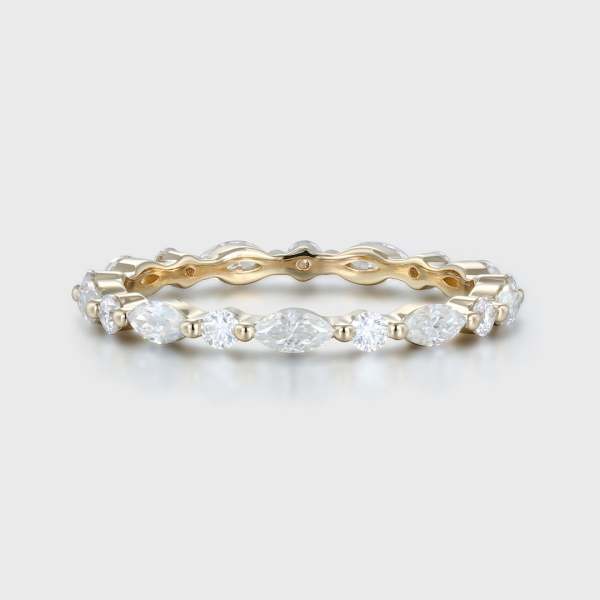
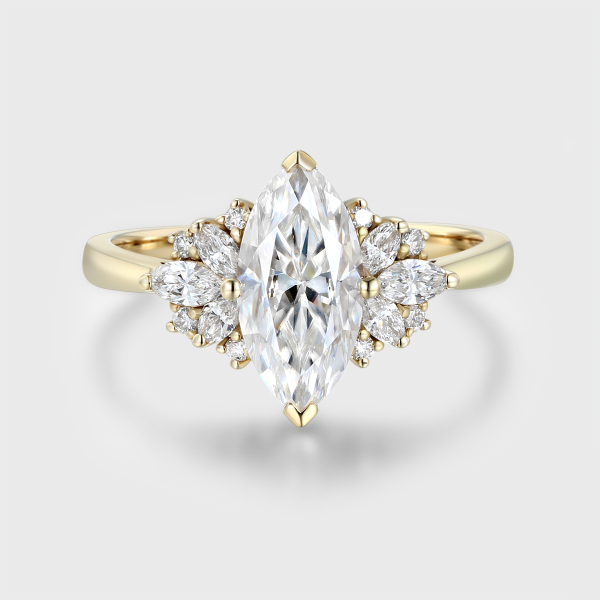
Yellow gold is the most traditional and recognizable form of gold jewelry. It has a warm, classic glow that has been admired for centuries. Yellow gold pairs beautifully with vintage-inspired designs, ornate settings, and gemstones such as emeralds, rubies, and sapphires. It also complements warm skin tones especially well.
White Gold:
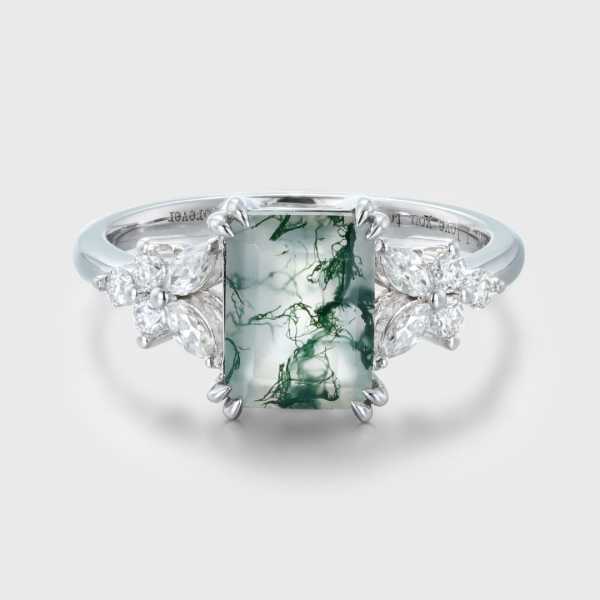
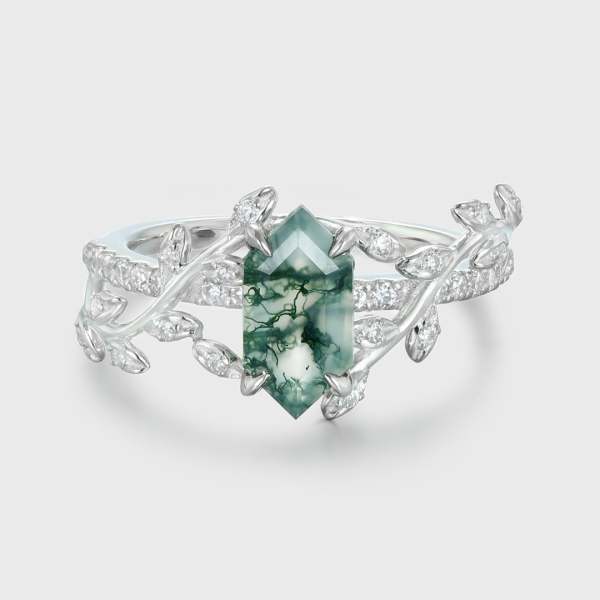
White gold has a sleek, modern appearance that resembles platinum. It is created by mixing gold with white metals and is often coated with rhodium to enhance brightness and create a reflective finish. White gold is a popular choice for engagement rings and contemporary jewelry because it offers a clean, elegant look that works well with diamonds and colorless gemstones.
Rose Gold:
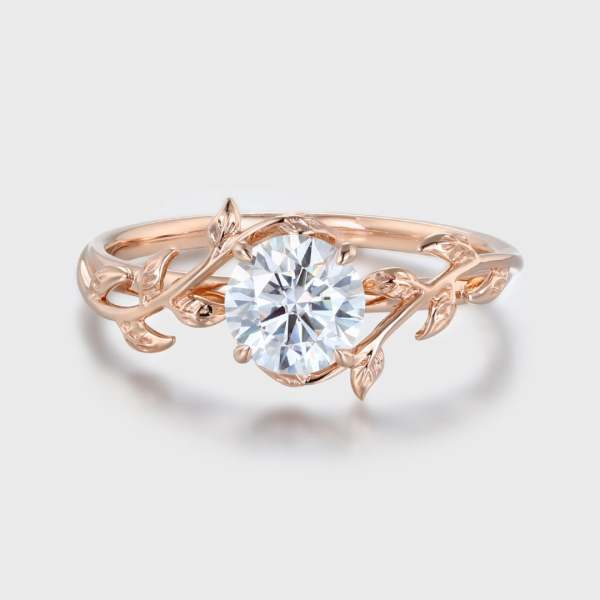
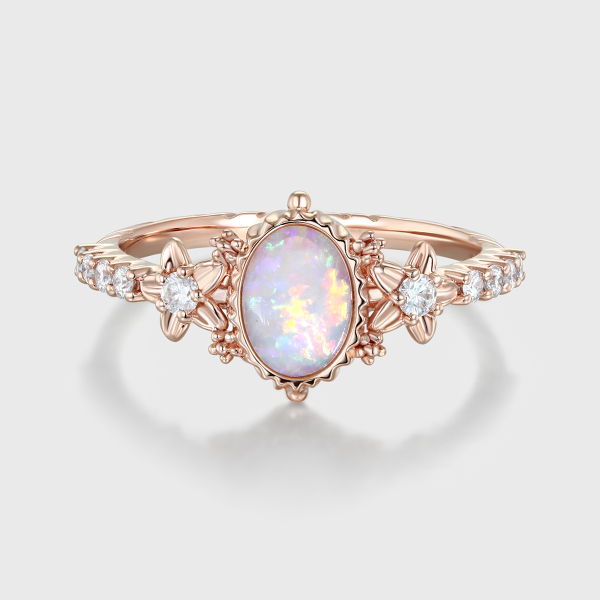
Rose gold contains a higher amount of copper, which gives it a soft pink or blush tone. It has become especially popular in recent years because of its romantic and fashionable appearance. Rose gold works beautifully in both minimalist and decorative designs and is often chosen by buyers who want something distinctive yet elegant.
Gold Purity Explained: Karats and Quality
Gold purity is measured in karats, often written as K or kt. The higher the karat number, the greater the percentage of pure gold in the piece.
|
Gold Type |
Gold Content |
Characteristics |
|
24K Gold |
Nearly pure gold |
Very soft, rich color, best for investment or special pieces |
|
22K Gold |
About 91.7% gold |
Deep color, softer than lower karats, common in some cultural jewelry |
|
18K Gold |
75% gold |
Luxurious, balanced color and durability |
|
14K Gold |
About 58.5% gold |
Strong, practical, and ideal for everyday wear |
|
10K Gold |
About 41.7% gold |
Most durable and affordable gold option, but less rich in color |
For everyday jewelry, many buyers choose 14K or 18K gold because these options provide a strong balance between beauty and durability. Higher-karat gold has a richer color and greater gold content, but it is also softer and more prone to scratching. Lower-karat gold is more durable and budget-friendly, making it a practical choice for rings, bracelets, and pieces worn frequently.
Advantages of Gold Jewelry
Gold remains popular for several reasons:
- Available in multiple colors and karat levels
- Classic and timeless appearance
- Suitable for both traditional and modern designs
- Easy to pair with gemstones
- Widely available in fine jewelry collections
Things to Consider Before Buying Gold
Although gold is beautiful and versatile, it is not perfect for every buyer. Higher-karat gold can scratch more easily, and white gold may require periodic rhodium replating to maintain its bright finish. Some gold alloys may also contain metals that irritate sensitive skin, depending on the composition.
If you want a metal that combines elegance with flexibility, gold is one of the best choices available.
Platinum Jewelry: The Premium Choice for Luxury Lovers
Platinum is considered one of the most prestigious metals in jewelry. Its naturally white color, rarity, density, and impressive strength make it especially popular for engagement rings, wedding bands, and high-end pieces. Platinum has a refined, understated luxury that appeals to buyers who want something both elegant and enduring.
Unlike white gold, platinum does not need a coating to maintain its color. Its natural white sheen remains beautiful over time, although it may develop a soft surface finish called patina. Many people appreciate this subtle change because it gives platinum a lived-in, sophisticated character.
Why Platinum Is So Highly Valued
Platinum is rarer than gold and is mined in much smaller quantities. It is also denser, which means a platinum piece often feels heavier and more substantial than a similar piece made from gold or silver. This density contributes to its premium reputation and makes it especially desirable for fine jewelry.
Benefits of Choosing Platinum Jewelry
Platinum offers several important advantages:
- Extremely durable for everyday wear
- Naturally white, so it does not need plating to stay bright
- Hypoallergenic for many people
- Holds gemstones securely
- Resistant to tarnish
- Ideal for heirloom-quality and sentimental pieces
Because platinum is strong and dense, it is often used in settings that hold diamonds and other valuable gemstones. Its strength helps protect stones from loosening over time, which is one reason it is so popular for engagement rings.
Platinum vs. White Gold
Many buyers compare platinum and white gold because they look similar at first glance. However, there are important differences:
|
Feature |
Platinum |
White Gold |
|
Color |
Naturally white |
Slightly gray without rhodium plating |
|
Durability |
Very strong and dense |
Durable, but less dense than platinum |
|
Maintenance |
Low maintenance, develops patina |
May need rhodium replating |
|
Weight |
Heavier |
Lighter |
|
Price |
Usually more expensive |
Usually more affordable |
Platinum is often the better choice for buyers who want maximum durability and a naturally white finish. White gold is a strong alternative for those who want a similar look at a lower price.
Things to Consider Before Buying Platinum
Platinum’s premium qualities come with a higher price tag. It is usually more expensive than gold or silver, and its density means it can feel heavier on the finger or wrist. Some people love that substantial feel, while others prefer a lighter piece. Platinum can also develop a patina over time, which some buyers enjoy and others may choose to polish away.
If you want a luxurious, long-lasting metal that symbolizes permanence and strength, platinum is an excellent choice.
Silver Jewelry: Affordable Elegance for Everyday Wear
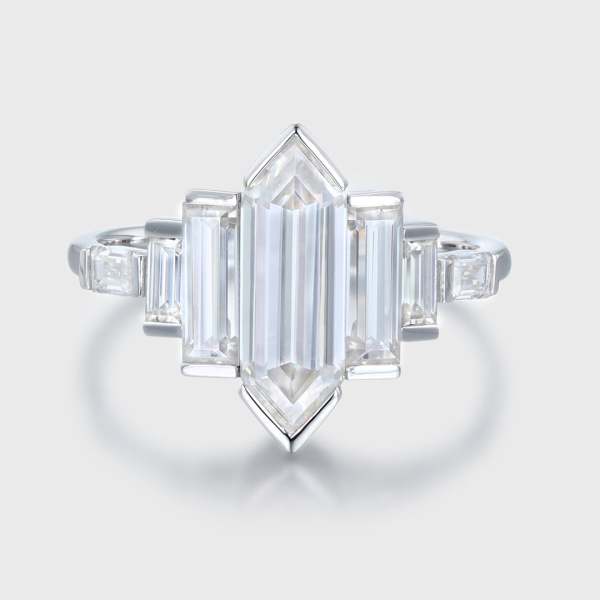
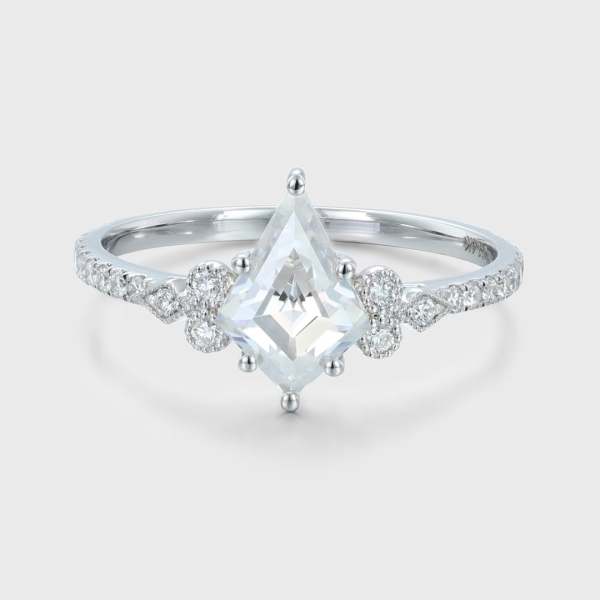
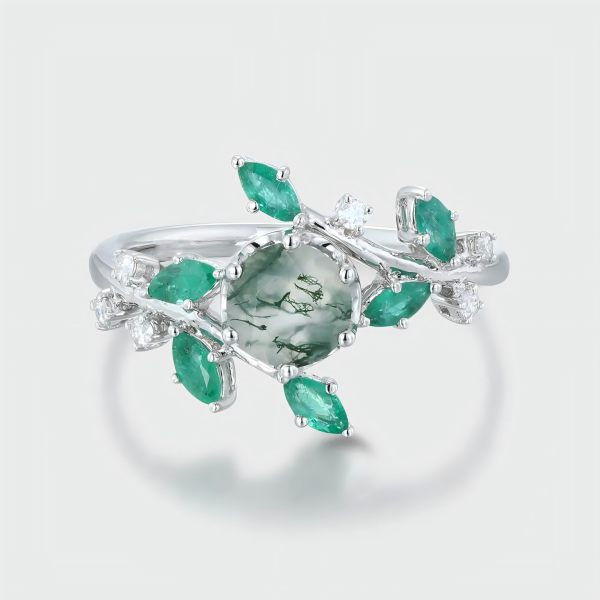
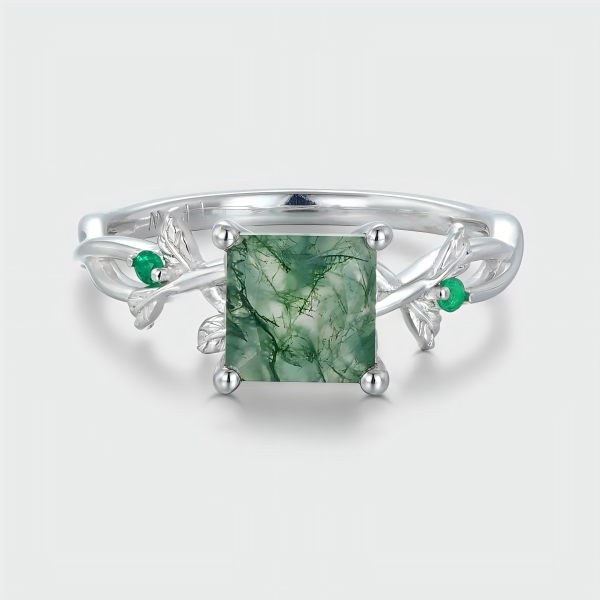
Silver has long been admired for its bright shine, versatility, and affordability. It offers a beautiful alternative for buyers who want elegant jewelry without the higher cost of gold or platinum. Silver works well in both casual and formal designs, making it one of the most accessible precious metals in the jewelry world.
The most common type of silver used in jewelry is sterling silver, which is stronger and more practical than pure silver.
Sterling Silver vs. Pure Silver
Pure silver, also known as fine silver, contains 99.9% silver. While it has a beautiful color, it is too soft for most jewelry that will be worn regularly. Sterling silver solves this problem by combining silver with a small amount of another metal, usually copper, to improve strength.
|
Silver Type |
Composition |
Characteristics |
|
Fine Silver |
99.9% silver |
Very soft, bright, less suitable for daily wear |
|
Sterling Silver |
92.5% silver and 7.5% other metals |
Durable, popular, and ideal for jewelry |
Sterling silver is the standard for most silver jewelry because it offers a strong balance between beauty and practicality.
Benefits of Choosing Silver Jewelry
Silver remains a favorite for many reasons:
- More affordable than gold and platinum
- Bright, reflective appearance
- Easy to style with casual or formal outfits
- Wide variety of designs available
- Great option for fashion jewelry and gifts
Silver is especially appealing to buyers who want to build a jewelry collection without spending a large amount on each piece. It is also a popular choice for trendy designs, layered necklaces, charm bracelets, and statement earrings.
Things to Consider Before Buying Silver
Silver does have some drawbacks. It can tarnish over time when exposed to air, moisture, or certain chemicals. This means it may require regular polishing to keep its shine. Sterling silver is also softer than platinum and many gold alloys, so it may scratch or bend more easily with heavy wear.
For occasional wear or stylish everyday pieces, silver is an excellent choice. For rings or bracelets that will face constant use, buyers may want to consider a stronger metal.
Gold vs. Platinum vs. Silver: Choosing the Perfect Metal for Your Jewelry
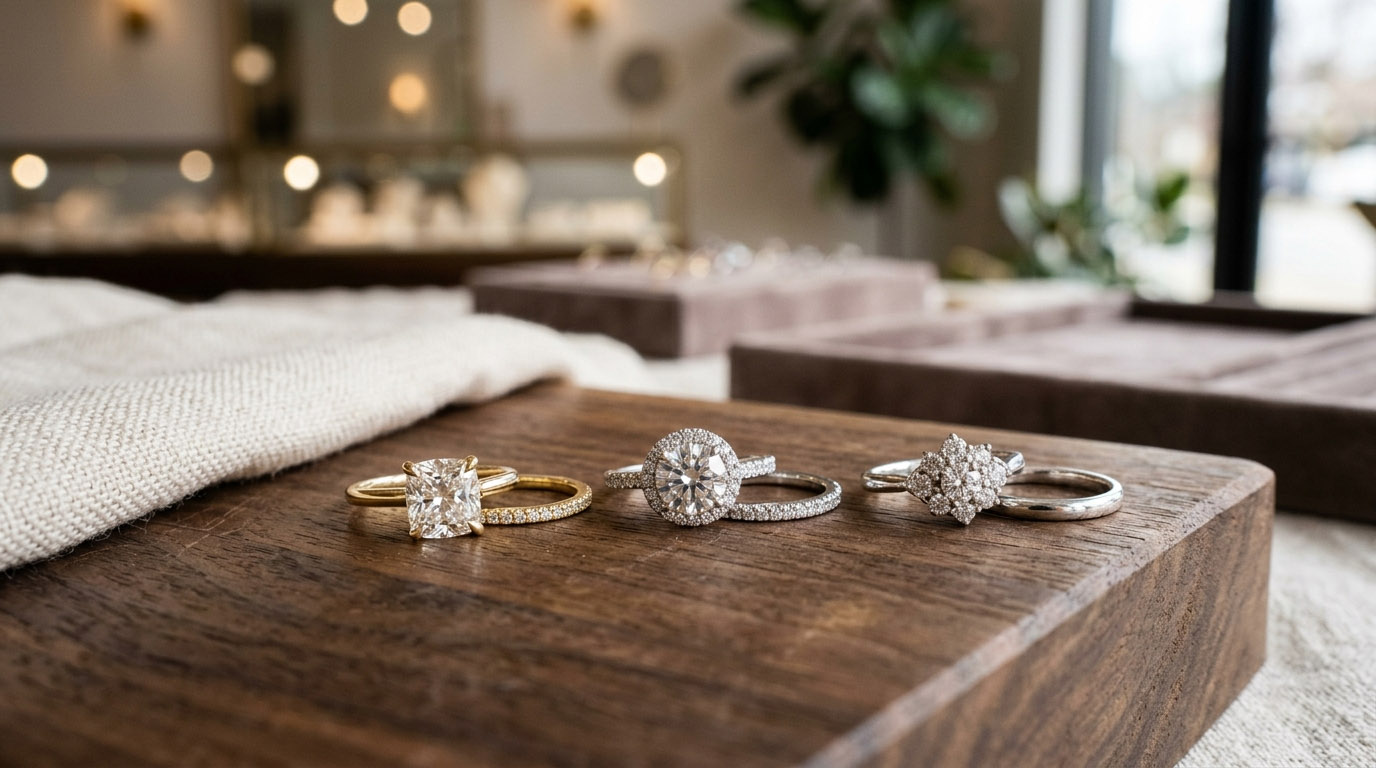
Now that we have explored each metal individually, it is time to compare them side by side. The best choice depends on what matters most to you: durability, price, appearance, maintenance, or long-term value.
Comparing Durability and Daily Wear Performance
Durability is one of the most important factors when choosing jewelry, especially for rings and bracelets that are worn often.
|
Metal |
Durability |
Best For |
|
Platinum |
Excellent |
Engagement rings, wedding bands, heirloom jewelry |
|
Gold |
Very good, depending on karat |
Everyday jewelry, fine fashion pieces |
|
Silver |
Moderate |
Occasional wear, fashion jewelry, affordable gifts |
Platinum is the strongest of the three and is especially resistant to wear. Gold is durable too, but lower-karat gold is stronger than higher-karat gold. Silver is the softest and most likely to show scratches or tarnish over time.
Comparing Price, Value, and Investment Potential
Price is often the deciding factor for many buyers. While jewelry should be chosen for beauty and meaning, budget still matters.
|
Metal |
Price Level |
Value Considerations |
|
Platinum |
Highest |
Premium, rare, long-lasting |
|
Gold |
Moderate to high |
Strong resale value and broad appeal |
|
Silver |
Lowest |
Affordable, stylish, less investment-oriented |
Platinum is usually the most expensive because of its rarity and density. Gold offers strong value and remains highly desirable worldwide. Silver is the most affordable, making it ideal for buyers who want elegance without a large investment.
Comparing Appearance and Personal Style
Each metal creates a different visual effect.
|
Metal |
Appearance |
Style Personality |
|
Platinum |
Bright white, refined, understated |
Elegant, modern, luxurious |
|
Gold |
Warm, rich, classic |
Timeless, romantic, versatile |
|
Silver |
Cool, shiny, clean |
Simple, trendy, accessible |
Platinum is ideal for buyers who prefer a sleek and sophisticated look. Gold is perfect for those who love warmth and tradition. Silver suits people who enjoy a bright, minimalist, or fashion-forward style.
Comparing Maintenance Needs
Maintenance is another major difference between these metals.
|
Metal |
Maintenance Level |
Common Care Needs |
|
Platinum |
Low |
Occasional polishing, patina management |
|
Gold |
Moderate |
Cleaning, possible replating for white gold |
|
Silver |
Higher |
Regular polishing to prevent tarnish |
Platinum is the easiest to maintain in terms of color stability. Gold requires more care depending on the alloy and finish. Silver needs the most frequent cleaning because it tarnishes more quickly.
How to Choose the Right Jewelry Metal for Your Lifestyle
The best jewelry metal is the one that fits your daily life, personal taste, and budget. A beautiful ring or necklace should not only look good in the store—it should also work well in real life.
Best Metals for Engagement Rings and Wedding Jewelry
Engagement rings and wedding bands are worn every day, so durability and long-term appearance matter a great deal.
Best choice for maximum durability: Platinum
Platinum is ideal for couples who want a strong, secure, and long-lasting metal.
Best choice for classic beauty and flexibility: Gold
Gold is a timeless option that works well in yellow, white, or rose tones.
Best choice for budget-conscious couples: Silver is generally not recommended for wedding rings worn daily because it is softer and tarnishes more easily. However, it can be a good choice for temporary or symbolic pieces.
Best Metals for Sensitive Skin
If you have sensitive skin or metal allergies, the composition of the metal is especially important.
- Platinumis often the safest choice because it is naturally hypoallergenic for many people.
- Goldcan also be a good option, especially higher-karat gold, though some alloys may contain metals that cause irritation.
- Silveris usually safe for many wearers, but sterling silver contains copper and may not be ideal for everyone with sensitivities.
If skin comfort is a top priority, platinum is usually the most reliable choice.
Best Metals for Everyday Wear
For jewelry worn every day, such as rings, bracelets, or favorite necklaces, durability and maintenance should guide your decision.
- Choose platinumif you want strength and low maintenance.
- Choose 14K or 18K goldif you want a balance of beauty and practicality.
- Choose sterling silverif you want affordability and are comfortable with regular care.
Best Metals for Fashion and Statement Pieces
If you are buying jewelry for style rather than long-term wear, silver and gold both offer excellent options. Silver is ideal for trendy, affordable designs, while gold adds a more luxurious and polished feel. Platinum is less common in fashion jewelry because of its higher cost, but it can create a stunning high-end statement.
Jewelry Care Tips for Gold, Platinum, and Silver
Proper care helps jewelry stay beautiful for years. Each metal has different maintenance needs, but all benefit from gentle cleaning and safe storage.
Caring for Gold Jewelry
- Clean with warm water, mild soap, and a soft brush
- Avoid harsh chemicals and abrasive cleaners
- Store pieces separately to prevent scratching
- Remove jewelry before heavy physical work or swimming
White gold may need rhodium replating every so often to restore its bright finish.
Caring for Platinum Jewelry
- Clean with mild soap and warm water
- Use a soft cloth to restore shine
- Expect natural patina over time, which can be polished if desired
- Store separately from harder gemstones or metals to reduce scratching
Platinum is durable, but it can still develop surface marks with wear. Many people appreciate this as part of its character.
Caring for Silver Jewelry
- Polish regularly to prevent tarnish
- Store in anti-tarnish pouches or airtight containers
- Keep away from moisture, perfumes, and household chemicals
- Wear often, since regular use can sometimes help reduce tarnish buildup
Silver requires the most attention, but with proper care it can remain bright and attractive for many years.
Conclusion: Finding Your Perfect Precious Metal Match
Choosing between gold, platinum, and silver comes down to balancing beauty, durability, budget, and lifestyle. Each metal has its own strengths, and the right choice depends on what matters most to you.
Gold is timeless, versatile, and available in several colors and karats, making it one of the most flexible jewelry metals.
Platinum is the premium choice for buyers who want exceptional durability, natural whiteness, and a luxurious feel.
Silver is the most affordable option, offering bright elegance and endless style possibilities for everyday wear and fashion pieces.
If you want a ring or bracelet that will stand up to daily life, platinum or gold is usually the best choice. If you want a beautiful piece at a lower price, silver is an excellent option. If you want a classic metal with broad appeal and lasting value, gold remains one of the most dependable choices in jewelry.
Frequently Asked Questions About Jewelry Metals
Platinum and gold are the best choices for engagement rings. Platinum is the most durable and low-maintenance, while gold offers more color options and can be more affordable depending on karat. Silver is usually not recommended for engagement rings worn every day because it is softer and tarnishes more easily.
Yes, for many buyers platinum is worth the cost because of its strength, rarity, and natural white color. It is especially valuable for people who want a long-lasting ring or a piece that will be worn daily.
In general, yes. Gold is more durable than silver, especially in lower-karat forms such as 14K gold. Silver is softer and more prone to tarnish, so it usually requires more maintenance.
Platinum is often the best choice for sensitive skin because it is naturally hypoallergenic for many people. Higher-karat gold can also be a good option, depending on the alloy. Sterling silver may be suitable for some wearers but not all.
Yes, silver jewelry can be worn every day, but it needs more care than gold or platinum. It may tarnish and scratch more easily, so regular cleaning and proper storage are important.
Neither is universally better—it depends on your priorities. White gold is usually more affordable and lighter, while platinum is more durable, naturally white, and lower maintenance. If you want a premium metal for daily wear, platinum is often the better choice.
Gold and platinum generally hold value better than silver because they are more expensive and more widely used in fine jewelry and investment markets. Gold is especially well known for its long-term value.