
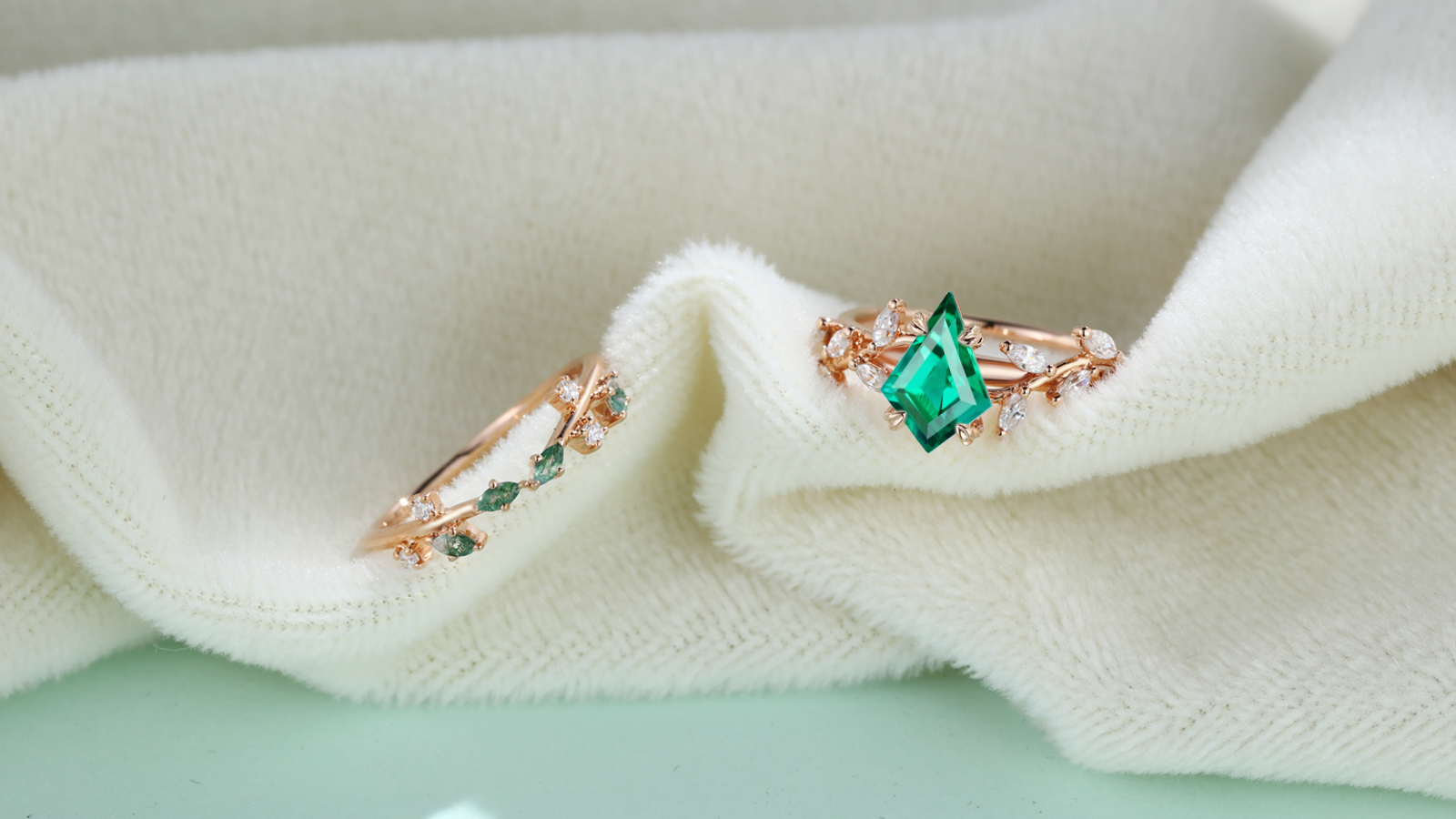
Are emerald engagement rings a good choice for everyday wear and long-term commitment?
The answer is yes—but with a deeper understanding.
Emerald engagement rings are becoming increasingly popular among couples looking for something unique, meaningful, and visually striking. Unlike traditional diamond rings, an emerald ring offers rich color, emotional symbolism, and a distinctive personality that immediately stands out.
However, choosing an emerald engagement ring also means understanding how emeralds behave over time, how to care for them, and whether they fit your lifestyle.
In this guide, we’ll cover everything you need to know about emerald engagement rings—from benefits and drawbacks to durability, settings, and expert advice—so you can make a confident decision.
- Why Emerald Engagement Rings Are So Popular
- Emerald Engagement Rings: Pros and Cons You Should Know
- How Durable Are Emerald Engagement Rings?
- Can You Wear an Emerald Engagement Ring Every Day?
- Natural vs Lab-Grown Emerald Engagement Rings
- Emerald vs Other Gemstones for Engagement Rings
- Best Settings for Emerald Engagement Rings
- Who Should Choose an Emerald Engagement Ring?
- Final Verdict: Are Emerald Engagement Rings a Good Choice?
- FAQ: Emerald Engagement Rings
Why Emerald Engagement Rings Are So Popular
A Unique Alternative to Diamond Engagement Rings
One of the biggest reasons people choose emerald engagement rings is simple: they don’t want a diamond.
Emerald rings offer a refreshing alternative with their deep green tones, making them ideal for those who want something:
- Less traditional
- More expressive
- Visually distinctive
In a market full of diamond engagement rings, an emerald ring instantly feels more personal.
Strong Symbolism: Love, Growth, and Renewal
Emerald has long been associated with emotional depth and meaning.
It symbolizes:
- Lasting love
- Emotional balance
- Growth and new beginnings
If you're drawn to the meaning behind gemstones, you can explore more in this guide:A guide to May birthstones: hope, love, and prosperity
A Timeless, Vintage Aesthetic
Emerald rings often feature:
- Vintage-inspired designs
- Nature elements
- Soft, romantic settings
This makes them perfect for buyers who are drawn to heirloom-style jewelry rather than modern minimalism.
If you’re looking for a ring that feels personal rather than predictable, emerald engagement rings—especially vintage or nature-inspired designs—offer a unique balance of elegance and individuality.
Emerald Engagement Rings: Pros and Cons You Should Know
Before choosing an emerald engagement ring, it’s important to understand both the advantages and limitations.
Pros of Emerald Engagement Rings
- Unique and recognizable color
- Strong symbolic meaning
- Vintage and luxury appeal
- Available in both natural and lab-grown options
Cons of Emerald Engagement Rings
- Less durable than diamonds
- Visible inclusions are common
- Requires more careful maintenance
- Not ideal for rough daily wear
Emerald engagement rings are not about perfection—they’re about personality.
How Durable Are Emerald Engagement Rings?
One of the biggest concerns is durability.
Emeralds rank 7.5–8 on the Mohs hardness scale, which means they are reasonably scratch-resistant—but that doesn’t tell the whole story.
The key issue: internal inclusions
Most emeralds contain natural inclusions (jardin), which can:
- Create internal stress points
- Increase the risk of chipping
- Make the stone more sensitive to impact
So, are emerald engagement rings durable?
Yes—but with mindful wear.
They are durable enough for everyday use, but they are not “care-free” stones like diamonds.
Can You Wear an Emerald Engagement Ring Every Day?
This is where expectations matter most.
Emerald engagement rings are suitable for daily wear if you:
- Avoid heavy physical activities while wearing them
- Remove them during cleaning or workouts
- Handle them with reasonable care
They may NOT be ideal if you:
- Work with your hands frequently
- Prefer low-maintenance jewelry
- Want something extremely durable
Explore:Emerald Care and Cleaning Guide
Natural vs Lab-Grown Emerald Engagement Rings
When choosing an emerald engagement ring, one of the most important decisions is natural vs lab-grown emerald.
What They Have in Common
Both natural and lab-grown emeralds are real emeralds. They share:
- The same chemical composition (beryl)
- The same green color range
- The same care requirements
Key Differences That Matter
Natural Emerald Engagement Rings:
- Formed over millions of years
- Feature visible inclusions (jardin)
- Often higher in price
Lab-Grown Emerald Engagement Rings:
- Created in controlled environments
- Typically cleaner and more consistent in appearance
- More budget-friendly
To better understand the differences, you can link to:Lab-Grown Emeralds Explained: Real Gemstones or Fake?
Emerald vs Other Gemstones for Engagement Rings
For buyers still comparing options, emerald is often considered alongside ruby and sapphire.
Each gemstone offers a different experience:
- Emerald → symbolic, organic, romantic
- Ruby → bold, passionate, vibrant
- Sapphire → durable, classic, versatile
If you’re deciding between these iconic stones, you can explore a deeper comparison here:
Emerald vs Ruby vs Sapphire: A Guide to Iconic Gemstones
Best Settings for Emerald Engagement Rings
The setting plays a major role in how durable and practical your emerald ring will be.
Bezel Setting (Best for Protection)
- Fully surrounds the stone
- Minimizes risk of chipping
- Ideal for daily wear
Halo Setting
- Adds brilliance
- Offers moderate protection
Prong Setting
- Maximizes light exposure
- Requires more careful handling
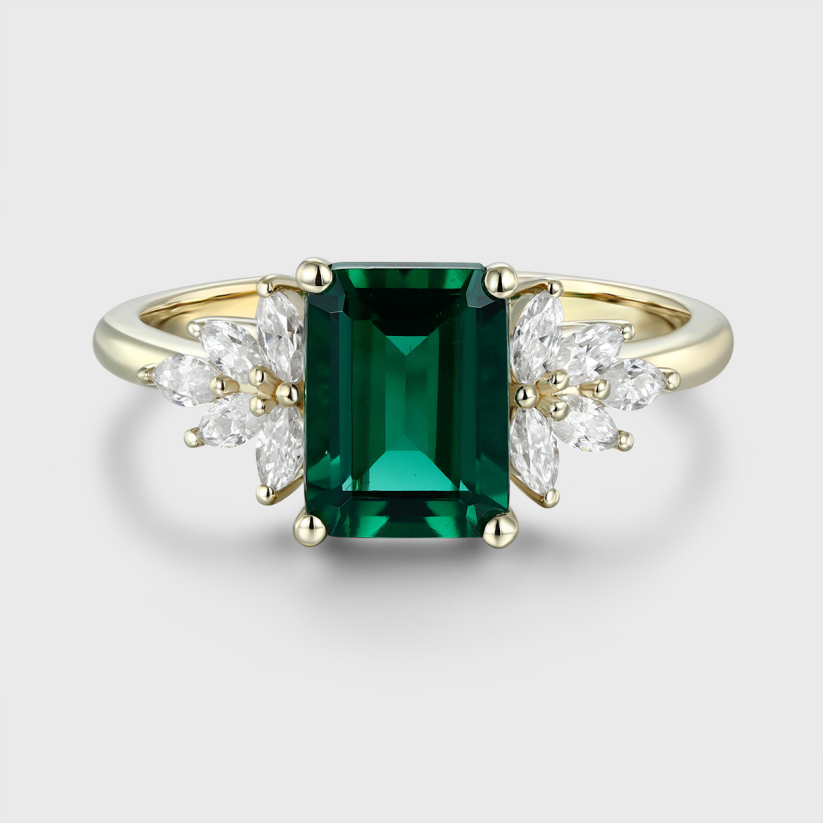
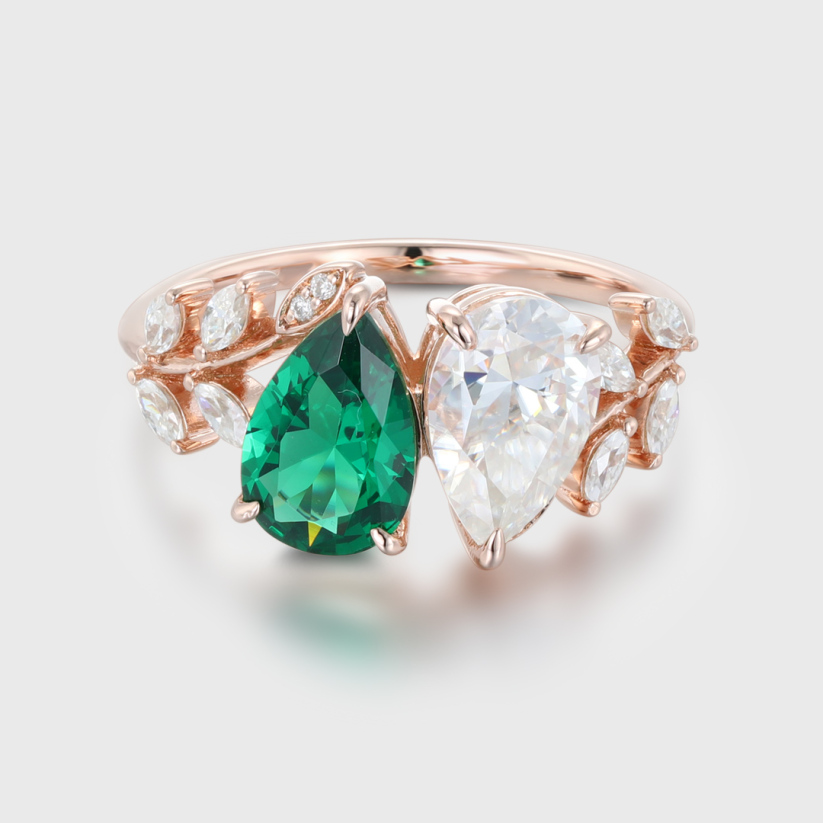
If you plan to wear your emerald engagement ring daily, choosing a well-crafted setting—especially bezel or halo—can significantly improve durability while maintaining a refined, elegant look.


Who Should Choose an Emerald Engagement Ring?
Emerald engagement rings are ideal for people who:
- Want a non-traditional engagement ring
- Value meaning and symbolism
- Love colored gemstones
- Appreciate natural uniqueness over perfection
They’re less suitable for those who prioritize maximum durability or ultra-low maintenance.
Final Verdict: Are Emerald Engagement Rings a Good Choice?
So, is emerald good for engagement rings?
Yes—especially if you want something meaningful, unique, and visually distinctive.
Emerald engagement rings may require more care than diamonds, but they offer something diamonds often don’t: character.
If you’re drawn to color, symbolism, and individuality, an emerald engagement ring isn’t just a good choice—it might be the perfect one.
FAQ: Emerald Engagement Rings
Yes—with proper care. Emerald engagement rings can last for decades when worn thoughtfully and maintained correctly.
They are relatively scratch-resistant, but due to natural inclusions, they are more prone to chipping compared to harder gemstones like diamonds.
It depends on quality and origin. Natural emeralds can be highly valuable, while lab-grown emeralds offer a more accessible price point with similar appearance.
Not better—just different. Emeralds are chosen for their uniqueness and color, while diamonds are preferred for maximum durability and traditional appeal.
Yes—especially for those who value individuality, symbolism, and rich green color over conventional choices.